


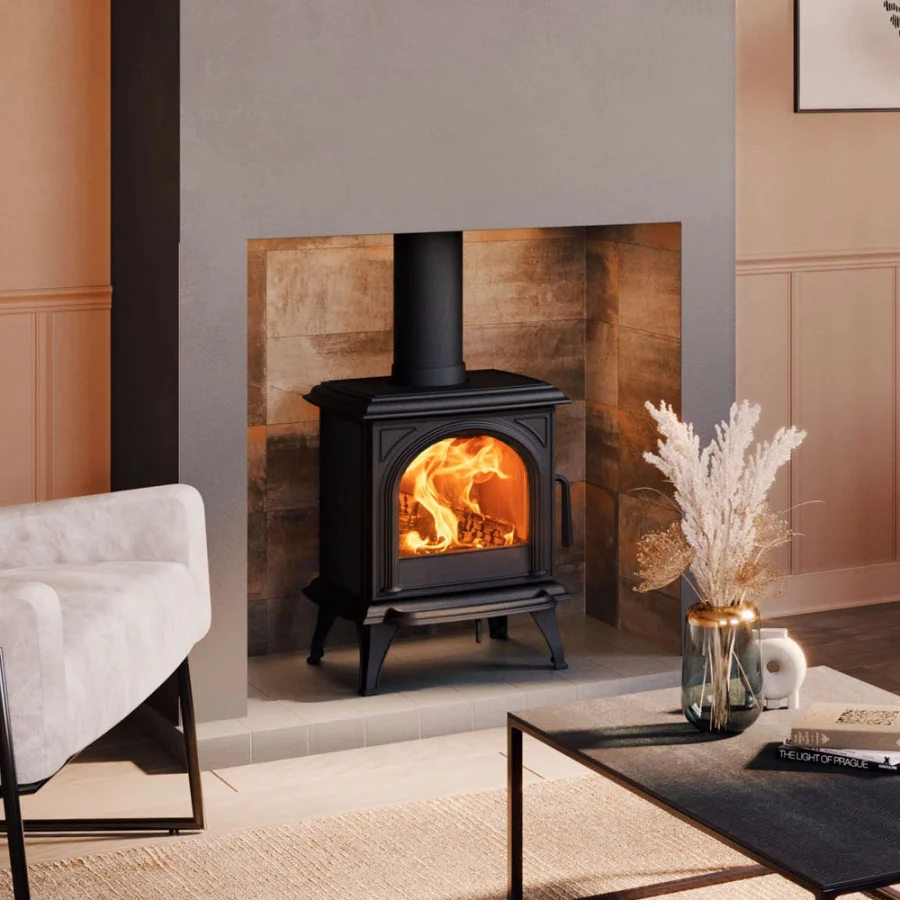
Wood burning stoves have enjoyed a remarkable resurgence in recent years, becoming a central feature in many homes that want both practical warmth and a sense of character. In an age dominated by sleek screens and digital technology, the simple pleasure of sitting beside a real flame has fresh appeal. Homeowners are rediscovering how wood burning stoves can create a cosy focal point, offer reliable heat and contribute to a relaxed, homely atmosphere. Their popularity is rooted in a blend of tradition, design and everyday comfort that few other heating options can match.
One of the main reasons wood burning stoves are so popular is the quality of heat they provide. Unlike some forms of heating that can feel dry or uneven, a well-operated stove gives off a deep, radiant warmth that spreads naturally through a room. People appreciate being able to come in from a cold day and feel that instant, enveloping heat as soon as they sit nearby. For open-plan spaces or smaller properties, wood burning stoves can often heat the main living area effectively, reducing the need to rely as heavily on other systems. This makes them particularly attractive to those looking for a strong, reliable source of warmth in winter.
The atmosphere created by wood burning stoves is another powerful draw. The sight of flickering flames, the sound of crackling logs and the gentle glow through the stove window all contribute to a sense of comfort and calm. Many people find that a room feels more welcoming and relaxing with a stove at its heart, whether they are hosting friends, reading a book or simply unwinding at the end of the day. This emotional connection to the fire, which has been part of human life for centuries, helps explain why wood burning stoves have gained such a loyal following. They offer not just heat, but also a mood and ambience that central heating alone cannot provide.
Design has also played a key role in the rising popularity of wood burning stoves. Modern models come in a wide range of sizes, shapes and styles, from classic cast-iron looks that suit period homes to sleek, minimalist designs ideal for contemporary interiors. This variety allows homeowners to treat their stove as a piece of furniture or even a design statement, choosing something that complements their decor and reflects their personal taste. The glass door that many wood burning stoves feature means the flame remains visible while being safely contained, combining aesthetic appeal with practicality.
There is also a sense of independence and control that comes with using wood burning stoves. Many people like the idea of having a heat source that does not depend solely on gas or electricity supplies, particularly in areas where power cuts can occur or energy prices are a concern. Being able to light a stove and know that a room will stay warm brings peace of mind, especially during cold snaps. Homeowners can choose when to light the fire, how much fuel to use and how long to keep it running, giving them a direct, hands-on relationship with their heating.
For those who enjoy the practical side of home life, wood burning stoves bring a satisfying routine. Stacking logs, setting the fire, adjusting the air vents and tending the flames can all become part of a daily ritual in colder months. Many people find this process grounding and rewarding, especially when they see the stove glowing steadily at the end of their efforts. The presence of neatly stored logs or a log basket beside the stove also adds a rustic charm to the room, reinforcing the sense that the space is lived in and well cared for.
The versatility of wood burning stoves is another reason for their popularity. They can be installed in traditional fireplaces, bringing new life to an old hearth, or placed in more unusual locations with the help of suitable flue systems. Some homes choose to position a stove centrally in an open-plan living area, allowing heat to radiate evenly in multiple directions. Others use stoves in garden rooms, cabins or extensions to provide warmth in spaces that might otherwise feel chilly. This flexibility allows wood burning stoves to fit into many different types of property and layout.
In addition, wood burning stoves are often seen as a way to connect with a slower, more mindful way of living. In a world where many tasks are automated, taking time to prepare and light a fire encourages people to pause and be present in the moment. Families may gather more often in the same room when the stove is lit, sharing conversation or quiet time together rather than dispersing to separate corners of the house. This sense of togetherness, centred around the warmth and light of the stove, gives the appliance a role that goes well beyond simple heating.
The year-round appeal of wood burning stoves should not be underestimated either. Although they are most heavily used in colder months, they continue to add value even when not in use. During spring and autumn, a short evening burn can take the chill off without needing to activate a full central heating system. In summer, the stove remains an attractive focal point, often decorated with candles, plants or ornaments to keep it visually interesting. This means wood burning stoves contribute to the character of a room throughout the year, not just in winter.
There is also a strong aesthetic synergy between wood burning stoves and natural materials. Homes with exposed brick, stone, timber beams or wooden floors often find that a stove reinforces their existing character. The visual link between the logs used as fuel and the wood used in furniture and finishes can create a harmonious, organic feel. Even in more modern spaces with metal, glass and painted surfaces, the warmth of the flames provides a pleasing contrast that softens harder lines and textures.
From a practical standpoint, many homeowners appreciate the way wood burning stoves can support broader energy strategies at home. While they may not replace central heating entirely, they can reduce the load on other systems by providing targeted warmth in the rooms used most often. This can be particularly helpful in older houses where certain areas are harder to heat. By focusing on making one main living space particularly cosy with a stove, people may find they can set lower temperatures elsewhere without feeling uncomfortable.
Finally, the enduring popularity of wood burning stoves is closely linked to the feeling of comfort and security they bring. On dark, cold evenings, there is something profoundly reassuring about seeing a steady flame in the corner of the room and feeling the gentle heat it produces. This sense of hearth and home is at the heart of why so many people choose to install wood burning stoves. They offer a blend of practicality, beauty and emotional warmth that is hard to replicate with any other single feature in the home.
In summary, wood burning stoves have become a favourite choice for homeowners because they deliver much more than simple heat. They create atmosphere, act as stylish focal points, offer a degree of independence from other energy sources and encourage a more connected, mindful way of living. Whether in a cosy cottage, a renovated townhouse or a modern open-plan space, wood burning stoves continue to win admirers who value both comfort and character. As long as people seek warmth that feels welcoming, authentic and deeply human, the appeal of wood burning stoves is likely to remain strong.
Get in Touch:
Leeds Stove Centre
136 Town St, Stanningley, Pudsey LS28 6ER
0113 255 5622
leedsstovecentre.co.uk