


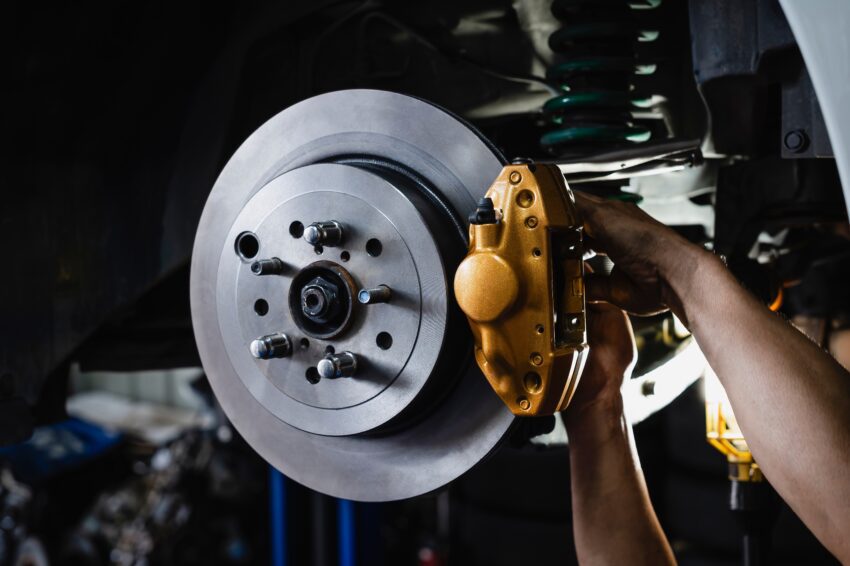
One essential mechanism must function flawlessly for every travel, be it a short commute across town or a long drive on the highway: the brakes. Brake pads and discs quietly provide the control and assurance drivers rely on every day, even if engines and styling often garner more attention. Even the most technologically equipped car is rendered ineffective and unsafe if the brake pads and discs are not regularly serviced.
To make educated judgements about maintenance, drivers need know how brake pads and discs work, how they wear, and why quality is important. Improving safety, comfort, performance, and long-term dependability can be achieved with a proactive and positive approach to replacing brake pads and discs.
Disc and Brake Pad Interactions
Brake discs and pads work in tandem to transform motion into controlled braking force. Hydraulic pressure presses the brake pads against the spinning discs as the driver applies the brake pedal. Brake pads and discs grind against each other, reducing wheel rotation and eventually stopping the car.
Cast iron or other high-strength materials that can endure extreme heat are the usual materials used to make the discs. Brake pads are made from friction compounds that are specifically designed to grip well while reducing noise and wear. The brake system, consisting of the pads and discs, is subject to extreme heat, constant pressure, and the elements.
Brake pads and discs wear out over time due to the direct contact they work in. This wear is intentional and should not be seen as a defect. As they wear down, the brake pads will shield the discs from damage and provide a constant stopping power. For optimal braking performance, drivers should regularly inspect the brake system and replace worn parts like pads and discs.
The Advantages of Using Premium Brake Discs and Pads
A number of obvious benefits might be yours when you invest in well-engineered brake discs and pads. Improving one’s confidence in stopping is one of the most obvious advantages. Consistent friction from high-quality brake pads and discs helps keep braking distances predictable in dry and rainy situations.
A more refined braking system is an additional benefit. as using subpar parts, you may feel a juddering or vibrating sensation as you turn the wheel or press the pedal. Brake discs and pads of high quality are made to exacting standards, which lessens the chances of imbalance or uneven contact. Your driving experience will be elevated as a result of this.
Brake pad and disc design is also highly related to noise reduction. Discs won’t make any grinding or squealing noises thanks to modern friction materials and meticulous surface finishing. Choosing trustworthy brake pads and discs can make a world of difference for drivers who prioritise comfort and performance.
Longevity is also crucial. Enhanced heat management features are a common feature of high-end braking discs and pads. When braking for long periods of time, such when descending a slope or merging into heavy traffic, brake fade can occur; however, this can be lessened with good heat dissipation. The durability of brake pads and discs is enhanced by their ability to retain their performance even when subjected to elevated temperatures.
Knowing When Your Brake Discs and Pads Need Repair
Drivers can prevent smaller problems from becoming bigger ones by keeping an eye out for the telltale symptoms of wear. Brake pads that make a high-pitched screech sound when applied pressure are likely nearing the end of their useful life. The driver may hear this noise because of built-in wear indications.
The pedal vibrating or pulsing when you apply the brakes is another red flag. This may happen if the discs develop surface imperfections or become uneven. Restoring smooth functioning can be achieved by replacing the brake pads and discs together in such circumstances.
Checking the brake pads and discs may also be necessary if you notice a longer stopping distance or a brake pedal that is too soft. Although there are a number of potential reasons for these symptoms, checking the quality of the brake pads and discs is an excellent starting point.
Predicting wear with routine maintenance is easier. Visual inspection is still useful, even though many cars have electronic monitoring systems that measure the thickness of the brake pads. Brake discs and pads should be kept in the best possible condition for your safety and peace of mind.
The Benefits of Changing Discs and Brakes at the Same Time
When possible, it’s better to change the brake pads and discs at the same time for the optimum results. Putting fresh brake pads on severely worn discs reduces contact efficiency since the two wear against each other. Uneven bedding in or worse performance could result from this.
Drivers can guarantee that their brakes are always using the same, fresh surface by replacing the pads and discs in a matched pair. The result is more consistent braking, less vibration, and more level friction. A more stable and well-rounded system is the end product.
It may be more economical in the long run to replace the brake pads and discs at the same time. Taking care of both issues at once promotes longer service intervals and increased reliability rather than having to replace one part too soon because of incompatibility or uneven wear.
Normal Driving Conditions and Brake Efficiency
Brake pads and discs face a wide range of challenges in modern driving. Repetitive heat cycles are produced by the constant stopping and starting of urban traffic. When driving on highways, it’s necessary to be able to quickly slow down from greater speeds. Heat tolerance and endurance can be challenged by the steep inclines that rural roads can offer.
The best brake pads and discs can handle all of these different kinds of situations. Modern friction materials allow for consistent performance in all temperatures, while disc designs with ventilation allow for efficient cooling. Brake discs and pads work in tandem to keep drivers in control no matter the conditions.
Another factor is the weather. Brake pads and discs of high quality are designed to reliably work even when exposed to rain and road spray, which might impair the braking surfaces. Keeping the brakes in top shape all year round improves stability and traction.
The Enhancement of Vehicle Reliability and Value
Immediate safety isn’t the only reason to spend money on dependable brake pads and discs. Vehicle health is enhanced when braking components are properly maintained. By easing the load on the suspension and tires, smooth braking helps keep wear even across the system.
Timely replacement of brake pads and discs, as documented in the maintenance history, demonstrates responsible ownership and adds value to the vehicle. Assuring potential purchasers that critical safety components have been maintained is a common request. The buyer’s confidence can be boosted by demonstrating careful attention to the brake pads and discs.
In addition, secondary damage is avoided through proactive replacement. Ignoring worn brake pads will lead to disc damage. Driving with properly maintained brake pads and discs prolongs the life of the vehicle’s mechanical components and helps drivers avoid costly repairs.
Being at ease, secure, and in charge
Brake pads and discs are key components that affect the ride quality of a car beyond its technical aspects. With responsive braking, you may drive with more assurance, even in crowded streets or places you’ve never been before. The ability to calmly respond to changing situations and precisely calculate stopping distances is made possible by a solid and predictable pedal feel.
A less noisy interior is another benefit of using high-quality brake pads and discs. Lessening the amount of vibration and noise on a regular basis makes travelling more pleasant. Improving the braking system’s smoothness, even slightly, can make driving more enjoyable.
Brake discs and pads are crucial components of performance automobiles. Reliability of braking remains unaffected by extreme conditions thanks to efficient heat management and constant friction. The majority of drivers stay below the speed limit, but knowing that the brakes will work when needed is comforting.
Preserving Discs and Brake Pads
Brake pad and disc maintenance does not call for elaborate procedures. Driving sensibly, like not slamming on the brakes when it’s not necessary and letting the car slow down gently when you can, helps parts last longer. Brake pads and discs should be checked and replaced at the recommended intervals as part of routine maintenance.
A bedding-in period is necessary for optimum performance after installing new brake discs and pads. The friction surfaces can settle uniformly and promote consistent contact by gently braking during the initial period. This simple process improves durability and silkiness.
The longevity and effectiveness of brake pads and discs depend on drivers being vigilant and acting quickly when they see wear.
In summary
At the core of any vehicle’s braking system are the brake pads and discs. They are the control that ensures the safety of drivers and passengers on every trip, and they work together under intense heat and strain. Brake discs and pads each play an important function, and knowing what they are may help with preventative maintenance and making smart decisions.
Brake discs and pads of superior quality provide quieter braking, longer life, less noise, and reliable performance under all kinds of situations. For optimal performance and durability, it’s best to replace the brake pads and discs at the same time.
Drivers can preserve their vehicle and their self-assurance by maintaining brake pads and discs in an optimistic manner. Modern motoring would not be the same without safe, responsive braking, which makes regular travel much more pleasant and secure.