

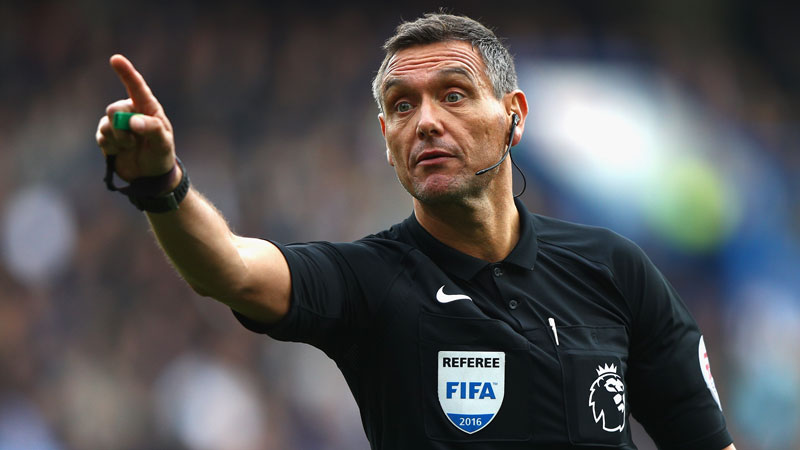
A lively dance is performed on the bright green surface of a football pitch. Along with the graceful footwork and electrifying bursts of athleticism, however, the judge and their essential gear are also very important to the game. More than just whistles and cards, official gear is the language of fair play, keeping things in order and making sure the game is played correctly.
Beyond the Cards and Whistle: A Range of Important Tools:
The whistle and yellow/red cards are still easily recognisable signs of authority, but referee kit includes a wider range of important tools, all of which play a key role in keeping things fair and in order.
Flags: Players and fans can see the flags at offside spots, throw-ins, corner kicks, and other important times. This makes sure that everyone stays on the right side of the rules and communicates clearly.
What is a coin? Tossing a simple coin ends arguments before a game and represents how fair the game is.
Notebook and pen: Referees keep very careful records of substitutions, yellow cards, and important events so that they can be looked at again after the game and punished if necessary.
Headset and Two-Way Communication: In professional games, referees use communication headsets to work together with assistant referees who are carefully placed around the field. This helps them be more accurate and make better decisions when there are close calls.
Electronic Communication Systems: Video assistant referees (VAR) and communication systems have been made possible by advances in technology. These tools make it easier to review choices that aren’t agreed upon and make sure that everyone is treated fairly on the pitch.
Clothing and Footwear: Referees need shoes that are comfortable and useful so they can stay flexible and quick during the game. High-visibility clothing makes sure that players and fans can easily spot them.
Making sure things are correct and fair: Finding Your Way Around the World of Equipment:
With so many tools to choose from, it’s important to think carefully about which ones to use. To get around, here are some important things to keep in mind:
Regulations: Make sure that the equipment you use follows the rules set by governing bodies like FIFA or national federations. This will ensure stability and stop any problems that might happen during official games.
Quality and Durability: Choose gear made from high-quality materials that can stand up to the rough conditions of the game and keep you performing at your best in any weather.
Visibility and Clarity: Choose flags and clothes in bright colours that are easy to see, and whistles that make a clear, deep sound that can be heard over the crowd noise.
Integration of Technology: Referees working at higher levels need to know how to use new technologies like VAR and communication systems correctly in order to make correct and well-informed choices.
Going Beyond Tools: Taking on the Duty of Fair Play:
Referee gear is more than just a bunch of tools; it’s a reminder of the duty referees have to uphold fair play and keep things in order on the field. Here are some ways that using tools correctly can improve your football experience:
Clarity and Communication: Flags, whistles, and hand gestures are all clear ways to let players and fans know what the rules are. This keeps things from getting confusing and avoids possible arguments.
Accuracy and Precision: Using VAR and communication systems makes it possible to look into close calls in more detail, which leads to choices that are more fair and correct.
Professionalism and Authority: Good, well-kept equipment gives the judge a professional look, which boosts his or her authority and earns respect from players and fans.
Player Safety: Making sure that offside calls are correct and that dangerous tackles are recognised keeps players from getting hurt and makes the game safer overall.
From local leagues to world fame: how referee gear has changed over time:
Along with the growth of the beautiful game, referee gear has also gone through some amazing changes. Technology has changed the tools that officials use, from hand-held flags and notes to electronic communication systems and video views. This is because technology is always trying to make things more accurate, fair, and clear. Still, the main ideas of being clear, talking to each other, and keeping the game’s character stay the same.
Beyond the Tools: The Role of People in Fair Play
Even though technology for referees is very important for fair play, it is important to remember that human knowledge and judgement can’t be replaced. Referees make choices quickly and under a lot of stress based on what they know about the rules, what they see on the pitch and their gut feelings. As important as their professionalism, skill, and ability to handle the emotional side of the game are, they make sure that everyone has a smooth and fun time.
As a whole, this is a silent concert of fairness and order:
Even though referee gear like that you’ll find from suppliers like A&H International and Ref Stop might not seem important in the big spectacle of football, it plays a very important role. From flags that mark important times to technological tools that help players make decisions, these important tools quietly control the flow of the game and make sure it is fair and players are safe. So, the next time you see a judge wave their flag or blow their whistle, think about how important these tools are in many ways. It’s not just a collection of tools; it’s a silent symphony of order and fairness, composing the very basis of a well-played game. By understanding how important referee gear is and how skilled the people who use it are, we can gain a better understanding and respect for the beautiful game in all its many forms.