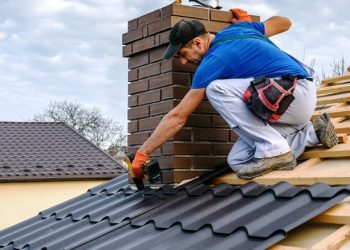


A roof protects a property by providing shelter from the elements while also adding to the overall construction and appearance of the residence. Even the most resilient roofing systems will eventually show signs of wear. Understanding when a roof replacement is necessary is critical to maintaining a property’s safety and value. While replacing a roof may appear to be a large job at first, it can eventually prove to be a beneficial and rewarding investment.
Natural material ageing is one of the most common indicators that a roof replacement is essential. Roofing systems are intended to last for many years, but exposure to weather conditions such as rain, wind, and temperature variations can eventually take their toll. As materials deteriorate, their capacity to provide effective protection decreases. A timely roof replacement guarantees that the house is secure and well-maintained, preventing more significant difficulties from arising.
Visible damage is another indication that a roof repair is necessary. Cracked, missing, or curling tiles may indicate that the roof is no longer operating as expected. While small concerns can occasionally be remedied, extensive damage frequently indicates that a roof replacement is the most feasible option. Addressing these concerns early prevents potential complications and ensures that the roof continues to work properly.
Water infiltration is another important element that may indicate the necessity for a roof replacement. Leaks can occur when roofing materials fail, enabling moisture to enter the property. This can cause a variety of issues, including wetness, mould growth, and structural damage. A roof replacement not only addresses these difficulties, but also allows you to upgrade to more current and trustworthy materials, which improves overall protection.
When considering a roof replacement, the structural condition of the roof is just as crucial. The underlying framework may degrade over time as a result of extended moisture exposure or normal wear. If the structure is no longer sound, replacing the roof is necessary to ensure the property’s safety and stability. Investing in a roof replacement now can save you from having to make more comprehensive and expensive repairs later.
Another advantage of a roof replacement is improved energy efficiency. Older roofs may lack the necessary insulation to provide a comfortable internal environment. This can lead to increased energy bills because heating and cooling systems have to work harder to maintain temperature. A roof replacement provides the potential to improve insulation and minimise energy consumption, so increasing the property’s efficiency and sustainability.
The appearance of a roof also influences whether a roof replacement is necessary. Roofs can become discoloured or deteriorated with time, altering the property’s overall appearance. A new roof can improve curb appeal, giving the home a fresh and well-kept appearance. This is especially crucial for people considering selling their home, since a new roof may leave a lasting impression on potential purchasers.
Another thing to consider is the frequency of repairs. If a roof requires frequent maintenance, replacing it may be a more cost-effective option. Repeated repairs can mount up over time, and eventually replacing the roof is the most feasible option. A roof replacement is a long-term option that reduces the need for continuous maintenance while providing piece of mind.
Weather conditions can also affect the requirement for roof replacement. Severe storms, heavy rains, and strong winds can all cause extensive damage to roofing materials. Even if the damage is not immediately visible, it can gradually weaken the roof. A roof replacement guarantees that the property is ready to face future weather difficulties, offering dependable protection in all conditions.
Moss or algae growth might also suggest the need for roof replacement. While these issues may seem cosmetic at first, they can lead to moisture retention and damage to roofing materials. If the growth is severe and difficult to control, a roof replacement may be the most effective option to restore the roof’s condition and avoid further deterioration.
Advances in roofing technology have made roof replacement more enticing than ever before. Modern materials provide greater durability, insulation, and resilience to weather extremes. Choosing a roof replacement enables homeowners to benefit from these improvements, resulting in a more dependable and efficient roofing system.
Roof replacement can also help to boost house value. Prospective buyers are typically drawn to well-maintained homes, and a new roof is a good indicator of that. By investing in roof replacement, homeowners can improve the look of their property and even increase its market value.
Another crucial factor to consider when deciding whether to replace your roof is safety. A faulty roof can endanger both the property and its residents. Loose materials, structural flaws, and water damage can all result in dangerous situations. A roof repair addresses these concerns, keeping the property safe and secure.
Long-term planning also influences the decision to replace one’s roof. Homeowners who plan to stay in their home for many years may discover that a roof replacement gives long-term benefits. By addressing possible problems early on, they may enjoy the peace of mind that comes with a dependable and well-maintained roof.
In other circumstances, roof replacement may be part of a larger rehabilitation effort. Updating the roof, along with other upgrades, can provide a unified and modern appearance, increasing the property’s overall appeal. This integrated strategy guarantees that all components of the home function effectively.
It is also worth noting that replacing the roof might improve the property’s ventilation. Proper ventilation is critical for minimising moisture buildup and ensuring a healthy indoor environment. A roof replacement offers the opportunity to correct ventilation difficulties, resulting in improved air quality and overall comfort.
Finally, determining whether a roof replacement is necessary entails considering a variety of indicators, ranging from evident deterioration to general performance. While it may appear to be a large expenditure, the benefits of replacing your roof far outweigh the initial expense. Improved protection, increased energy efficiency, and increased property value are just a few of the benefits that make roof repair a wise and rewarding investment.
In conclusion, roof replacement is an important aspect of property upkeep that should not be disregarded. Homeowners can keep their property safe, efficient, and visually appealing by understanding the indications and taking action as necessary. A roof replacement not only tackles existing faults, but also allows you to improve the home’s overall quality and performance.