

Car covers have emerged as one of the most prevalent methods for altering the appearance of a vehicle without committing to a permanent paint job. Professional car wraps can produce remarkable outcomes, regardless of whether you are seeking to alter the colour of your vehicle, incorporate a visually appealing design, or safeguard your current paintwork. However, the process may appear somewhat enigmatic if you have never had one applied. From the instant you reserve your appointment until you depart, the following is a comprehensive overview of what you can reasonably anticipate.
The Initial Consultation
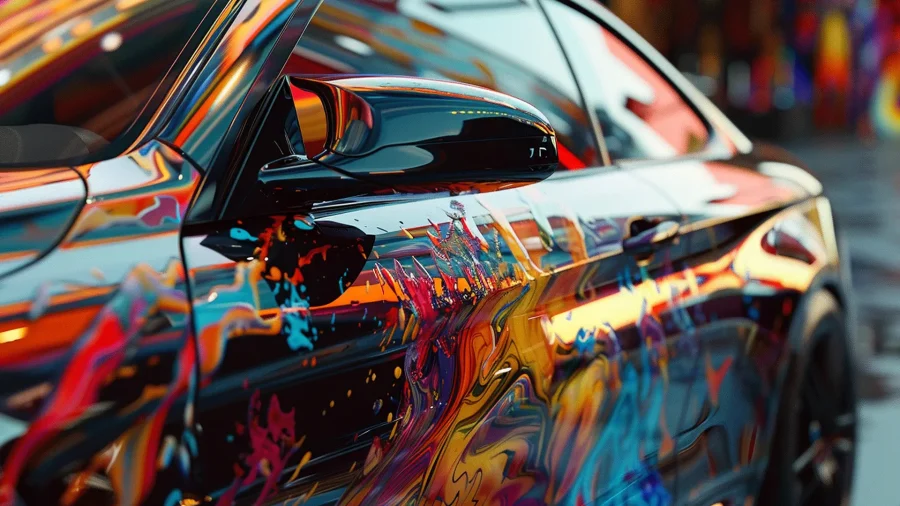
A reputable installer will want to discuss your requirements in detail before any vinyl touches your vehicle. During this consultation, you will be questioned regarding the desired finish, which may include a sheen, matte, satin, chrome, or textured effect, as well as the scope of the project. It is possible to apply car wraps to the entire vehicle or to specific surfaces, such as the bonnet, roof, or door mirrors. This is also the time to discuss your budget, as complete car wraps are inherently more expensive than partial applications.
Additionally, a competent installer will evaluate the current condition of your vehicle’s paintwork during the consultation. Car wraps are most effective when applied to surfaces that are in excellent condition. Before the wrap is applied, it will be necessary to resolve any flaking paint, deep scratches, or substantial corrosion. Attempting to conceal subpar paintwork with a shroud can lead to a substandard finish and may even inflict additional damage upon its eventual removal.
Preparing for Your Appointment
A date for the installation will be provided to you once the design and scope have been agreed upon. It is advisable to conduct a comprehensive cleaning of your vehicle in the days preceding your appointment, although the installer will clean it once more before commencing work. It is recommended that the paintwork be free of any recent wax or varnish applications, as they may impede adhesion. The preparation stage is equally critical as the application process, as car wraps necessitate a spotless, grease-free surface to adhere properly.
It is also important to consider that car wraps require a significant amount of time. In the majority of instances, a complete vehicle wrap is not a same-day job. Depending on the size of the vehicle and the complexity of the design, a complete wrap can take anywhere from one to three days. Partial wraps or single-panel tasks may be completed more rapidly; however, you should anticipate that your vehicle will be left with the installer for a minimum of one full working day.
Installation Day
The installer’s initial responsibility will be to conduct a thorough cleaning of the entire exterior of your vehicle upon your arrival. This typically entails a comprehensive cleaning process, which is followed by a process to eliminate any contaminants from the surface, such as tar marks, tree sap, and road grime. Surface preparation must be meticulous in order to ensure that car wraps appear their best and last for the longest possible time. Additionally, certain installers may implement a clay bar treatment to guarantee that the paintwork is entirely flawless prior to commencing the installation process.
The vinyl film will be measured and trimmed to fit the panels of your vehicle by the installer once the surface is prepared. High-quality cast vinyl is employed to apply modern car wraps, which are engineered to accommodate the intricate curves and contours of a vehicle’s bodywork. This is the point at which the installer’s expertise and experience are essential. The vinyl must be heat-formed, smoothed, and extended around edges, door handles, and other intricate areas without causing bubbles, creases, or edge lifting.
You may be requested to refrain from attending the workshop during the application process. This is entirely typical; installers require a certain amount of space and concentration to complete their work, and clients’ constant supervision can impede the progress of the project. Most installers will provide updates throughout the day, and you should feel at ease in requesting progress reports.
What the Application Process Entails
The application of car wraps is a multi-stage procedure. The vinyl is applied in sections and meticulously overlapped at the margins to guarantee a seamless finish, with each panel typically being worked on individually. The vinyl is smoothed onto the surface and any air pockets are removed using a squeegee instrument. Throughout the project, a heat pistol is employed to soften the vinyl, enabling it to be manipulated around curves, recesses, and body lines.
Particular attention is necessary for edges and challenging regions, including bumper edges, door jambs, and the area surrounding emblems. A cleaner finish can be achieved by tucking the vinyl behind trim pieces, while others will wrap it around the edge and trim it precisely. When executed by an expert, both methodologies can yield exceptional outcomes. The objective of car wraps is to achieve a finish that appears as if it were factory-installed, with no visible joins or lifting edges.
The installer will conduct a comprehensive inspection of the entire vehicle once all panels have been completed. The vinyl will be re-heated and pressed down in any areas where it has not completely adhered. If any small bubbles are present, they are typically resolved during this phase. Some minute air pockets may persist immediately following application; however, they will typically vanish on their own within the initial few days as the vinyl settles.
The Final Inspection and Handover
A reputable installer will provide you with a tour of the vehicle and a detailed explanation of the final outcome prior to your arrival. This is your chance to express any apprehensions regarding the final product. Most reputable installers prioritise your satisfaction prior to your departure. Any professional who is worth their reputation will want the completed product to reflect the quality of their workmanship, as car wraps represent a substantial investment.
You should also obtain advice on aftercare during the handover. This is a critical component of the process that is occasionally disregarded. In comparison to conventionally painted vehicles, car wraps necessitate slightly different maintenance. Adhering to the provided instructions will guarantee that your wrap maintains its optimal appearance for an extended period.
Maintenance of Your Vehicle Wrap Subsequently
It is recommended that the vehicle not be washed during the initial days following its collection. This allows the vinyl to completely cure and adhere to the paintwork. Car wraps can typically be cleansed by hand with a gentle, non-abrasive shampoo after this initial period. It is advisable to refrain from subjecting your wrapped vehicle to automated car washes with spinning brushes, as these can cause premature deterioration by lifting the edges of the vinyl.
Always rinse car wraps thoroughly after washing them with a gentle cloth or microfibre mitt. It is advisable to refrain from using abrasive cleaning products, solvents, or harsh chemicals, as they have the potential to degrade the vinyl and accelerate the fading of the pigment or finish. If you employ a pressure washer, ensure that the nozzle is maintained at a safe distance from the surface and that the jet is not directed at edges or fissures.
The longevity of car wraps can also be influenced by parking behaviours. To safeguard the vinyl from protracted exposure to direct sunlight and extreme weather, it is recommended that you park in a garage or under cover whenever feasible. The colour of a wrap can fade over time, particularly on lower-quality vinyl products, due to UV rays. However, high-quality materials are considerably more resistant to this.
How much time will it last?
The longevity of car wraps is contingent upon the quality of the materials used, the expertise of the installation, and the vehicle’s subsequent maintenance. A full car wrap that is professionally installed and of high quality can last between five and seven years when correctly maintained. Partial coverings and those exposed to more severe conditions may not endure as long.
It is imperative that a professional remove the wrap when the time arrives. One of the primary benefits of wrapping over respraying is that car wraps that have been properly applied to paintwork in excellent condition can typically be removed without causing damage. The vinyl is meticulously heated and gently peeled back during the removal process, which is followed by a clean-up of any remaining adhesive residue.
Would it be worthwhile?
Car wraps offer a compelling combination of versatility, value, and reversibility for anyone seeking to change the appearance of their vehicle, protect their paintwork, or create a striking custom appearance. It is essential to comprehend the entire process, from consultation to aftercare, in order to establish realistic expectations and guarantee that you receive the maximum value from your investment. A quality car wrap can maintain the appearance of your vehicle for years to come, provided that you select a reputable, experienced installer and adhere to the maintenance instructions.