


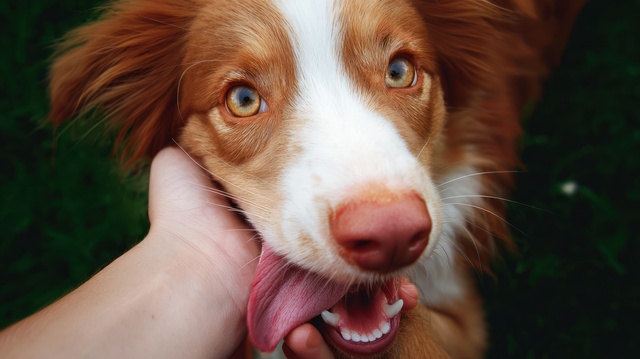
The pet industry has grown from a niche sector into a vibrant, emotionally driven marketplace where owners see cats, dogs and other companions as family members rather than possessions. In this world, pet marketing is not just about selling products or services; it is about building relationships, trust and long term loyalty with people who deeply care about their animals. Whether you offer grooming, veterinary care, pet products, training, boarding or rescue services, the way you communicate your story has a direct impact on your visibility, reputation and growth.
At its heart, pet marketing recognises that every purchase in this space is influenced by emotion as much as by logic. Owners want to feel that the brands they choose genuinely understand animals, share their values and will keep their companions safe and happy. A generic, one size fits all approach does not work well here. Instead, effective marketing uses language, imagery and stories that reflect the real experiences of pet owners: the early morning walks, the vet visits, the muddy paws on the sofa and the worry when a pet is unwell. When people see their own lives reflected back at them, they are much more likely to engage, remember and ultimately choose that business.
One of the key reasons pet marketing is so important is the sheer level of competition. There are countless pet shops, online retailers, subscription boxes, trainers, behaviourists and content creators all fighting for attention. Without a clear, consistent marketing strategy, it is easy to be drowned out by louder voices. Strong pet marketing helps you define what makes your business unique, whether that is a particular expertise, a speciality in certain breeds, a focus on natural products or a commitment to rescue support. Communicating this clearly across your website, social channels and other touchpoints makes it easier for the right customers to find and trust you.
Another crucial aspect of pet marketing is education. Many owners actively seek information about animal health, nutrition, behaviour and enrichment, but they are often overwhelmed by conflicting advice and unverified opinions. Businesses that provide clear, helpful content become trusted sources rather than just sellers. Articles on topics such as choosing the right food, preparing for a new puppy, understanding body language or dealing with common health issues can attract visitors to your site and demonstrate expertise. Over time, this educational approach builds credibility and positions your brand as a partner in the owner’s journey, rather than just another voice asking for a sale.
Search visibility plays a central role in modern pet marketing. When someone types a question about their dog’s behaviour or looks for a local groomer, the businesses that have invested in relevant, well written content are more likely to appear in search results. This organic visibility is particularly valuable because it brings in people who are already interested and motivated. By aligning your content with the real questions and concerns owners have, you not only improve your search performance but also make a strong first impression when visitors land on your pages.
Storytelling is another powerful tool in pet marketing. Sharing real life examples, case studies and success stories makes your services feel tangible and human. A transformation tale of a nervous rescue becoming confident through consistent training, or a cat’s health improving after a considered change in diet, can be far more persuasive than a list of features or qualifications. Stories tap into the emotional bond between people and their animals, helping potential customers picture what working with you could look and feel like. This narrative approach can be woven into website copy, blog posts, emails and social media, creating a coherent brand voice across channels.
Visual content is equally important. In pet marketing, photographs and videos are not just decoration; they are evidence of your experience and your care. High quality images of happy, relaxed animals, clean facilities and calm interactions with staff can reassure anxious owners who are considering a new groomer, vet or day care for the first time. Short videos demonstrating handling techniques, enrichment ideas or behind the scenes glimpses of your work add authenticity. Consistent visuals across platforms make your brand recognisable and help reinforce the positive associations you want people to hold.
Community building is another reason to take pet marketing seriously. Pet owners often enjoy sharing stories, tips and photos, and they value feeling part of a like-minded group. Businesses that encourage interaction, respond to comments and highlight user generated content foster a sense of belonging. This can lead to stronger loyalty, word of mouth recommendations and repeat custom. Hosting small online challenges, celebrating client milestones or simply acknowledging regular customers and their animals by name all contribute to a warmer, more engaged community around your brand.
Trust and transparency are vital in the pet world, where decisions have direct consequences for animal welfare. Effective pet marketing helps you communicate your standards clearly. Explaining your processes, qualifications, hygiene practices, training methods or sourcing policies shows that you have nothing to hide. Addressing common worries upfront, such as how dogs are supervised in group settings or what happens if a pet becomes stressed, demonstrates empathy and professionalism. Over time, this openness reduces barriers to trying your services and makes it more likely that owners will recommend you to others.
From a commercial perspective, thoughtful pet marketing also helps you make better use of your resources. Instead of relying on sporadic posts or last minute promotions, a strategic approach allows you to plan campaigns around seasonal trends and key life stages for pets. For example, content and offers can be tailored to puppy and kitten season, summer travel, fireworks periods or senior pet care. By aligning your messages with what owners are thinking about at different times of year, you make your marketing more relevant and more likely to generate responses.
Consistency is another area where structured pet marketing makes a difference. When your website, social media, print materials and in-person communication all share the same tone, values and visual style, you create a stronger brand identity. This consistency builds familiarity and trust, even among people who have not yet bought from you. They come to recognise your distinctive voice and style and are more likely to think of you when a need arises. In contrast, a patchwork of different messages and images can leave people confused about what you stand for.
For businesses that rely heavily on local trade, pet marketing with a geographic focus is particularly valuable. Highlighting your presence in specific neighbourhoods, featuring familiar parks or landmarks in your content, and using language that reflects local concerns all help you stand out as part of the community rather than a generic, distant brand. Local search optimisation, combined with reviews and location based content, makes it easier for nearby owners to discover you when they search for services in their area.
Finally, pet marketing matters because it gives you a way to align your commercial goals with your passion for animals. Many people enter this field because they care deeply about pets and want to make a positive difference in their lives. Marketing done well allows you to reach more of the owners who will value your approach, educate them on best practices, and support them in giving their animals the best possible care. In turn, this supports the sustainability and growth of your business, enabling you to invest in training, facilities and staff that further enhance what you offer.
In essence, pet marketing is about communication, connection and clarity. It helps you stand out in a crowded marketplace, build trust with owners, and show the real value of your knowledge and services. By investing in thoughtful, animal centred marketing, you not only strengthen your business but also contribute to a culture where pets receive more informed, compassionate care. For any organisation working with animals, that combination of commercial success and positive impact makes pet marketing an essential part of the journey.