


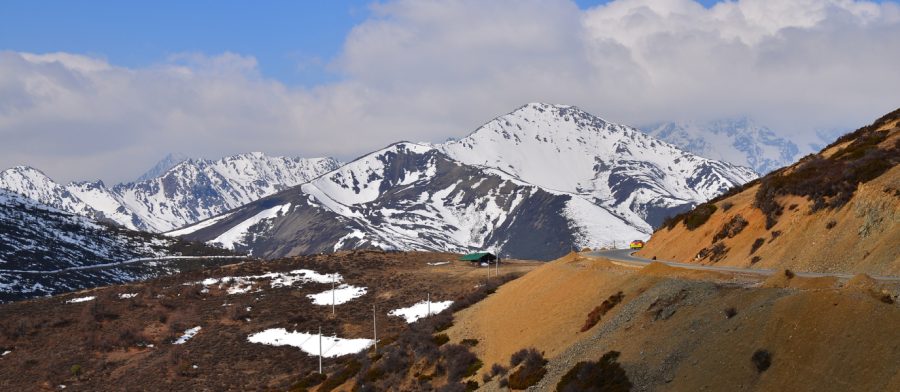
There are mountains, and then there is Toubkal. Rising to 4,167 metres above sea level in the heart of Morocco’s High Atlas range, Toubkal is the highest peak in North Africa and one of the most rewarding trekking destinations anywhere in the world. For those who seek adventure beyond the well-worn paths of the Alps or the Himalayas, Toubkal offers something genuinely extraordinary — a landscape of raw, dramatic beauty, a deep cultural encounter with Berber tradition, and a summit that delivers views capable of stopping even seasoned trekkers in their tracks.
What makes Toubkal so special is not merely its altitude, impressive as that undoubtedly is. It is the combination of accessibility, challenge and sheer spectacle that sets it apart. Unlike many of the world’s great peaks, Toubkal does not require technical climbing experience or weeks of acclimatisation. A reasonably fit person with a sense of determination can stand on its summit, and that democratising quality is part of what has made the mountain a beloved destination for trekkers from across the globe.
The Gateway: Imlil and the Road Into the Atlas
The journey to Toubkal typically begins in the village of Imlil, a small but lively settlement nestled at around 1,740 metres and reached via a winding road from Marrakech. The drive itself is a revelation, as the ochre plains surrounding Morocco’s famous medina city give way to increasingly rugged terrain, olive groves clinging to terraced hillsides, and the first dramatic glimpses of snow-dusted peaks beyond. Imlil serves as the principal base for trekkers heading into the Toubkal massif, and its guesthouses, mule handlers and local guides represent a well-oiled infrastructure built around the mountain’s enduring appeal.
From Imlil, the standard route to the Toubkal refuge climbs steadily through the valley of Ait Mzik, past the village of Aroumd — one of the highest permanently inhabited settlements in North Africa — and up through increasingly barren, rocky terrain. The landscape shifts in character with every hour of walking, from lush terraces cultivated with barley and walnut trees to high glacial valleys where little grows but sparse scrub and the occasional hardy wildflower. Every twist in the trail reveals a new angle on Toubkal’s commanding presence above.
The High Atlas Experience
Trekking in the Toubkal region is about far more than the summit. The High Atlas mountains represent a world unto themselves, and spending even a few days exploring the surrounding valleys is to encounter a Morocco that feels entirely removed from the souks and riads of the lowland cities. Berber villages cling to impossibly steep slopes, their flat-roofed houses built from the same red-brown stone as the mountains themselves. Mules laden with supplies pick their way along narrow paths. Shepherds guide their flocks across high pastures as their families have done for centuries.
The cultural dimension of a Toubkal trek is one of its most underrated pleasures. Sharing a meal of tagine and mint tea in a mountain refuge, communicating haltingly but warmly with local guides, and witnessing the unhurried rhythms of Atlas life offers a kind of perspective that no amount of sightseeing in the medina can replicate. To trek in the shadow of Toubkal is to be immersed, however briefly, in a way of life that feels ancient and enduring.
The Summit Push
The ascent to the summit of Toubkal is most commonly undertaken as a two-day itinerary, with the first night spent at the Toubkal refuge at approximately 3,207 metres. The refuge itself is a characterful and surprisingly comfortable stone building perched in a glacial cirque, and the experience of eating dinner there as the last light drains from the peaks and the temperature plummets is one that stays with trekkers long after they have descended. The night sky at this altitude, far from any significant light pollution, is extraordinary — a canopy of stars dense enough to make even the most world-weary traveller pause in wonder.
The summit push typically begins before dawn, headtorches bobbing in the darkness as trekkers pick their way across the scree and boulder fields that guard the upper reaches of Toubkal. The terrain is demanding but non-technical, a relentless slog upwards on loose rock that rewards persistence with one of the finest panoramas in the entire African continent. On a clear day — and the Atlas skies are often magnificently clear — the views from the Toubkal summit stretch northwards towards the Atlantic coast and southwards across the vast, rippling dunes of the Sahara. It is a view that justifies every aching muscle and every laboured breath.
When to Go
The Toubkal massif is a year-round trekking destination, though the experience varies enormously depending on the season. The most popular windows are spring, from April to June, and autumn, from September to November. During these months the weather is generally settled, the temperatures at altitude are manageable, and the landscape is at its most photogenic — spring bringing wildflowers to the lower valleys, autumn painting the hillsides in golden light.
Summer on Toubkal can be surprisingly cool at altitude, making July and August perfectly viable options, though the lower paths can become warm and dusty. Winter ascents of Toubkal are a different proposition entirely, requiring crampons, ice axes and significant cold-weather experience. Snow can lie deep on the upper mountain from December through to March, and the summit ridge can become genuinely hazardous. For those with the appropriate skills and equipment, however, a winter ascent of Toubkal is an unforgettable undertaking of a different order altogether.
Routes and Variations
Whilst the standard two-day return via the Mizane Valley is the most popular way to experience Toubkal, the surrounding massif offers a wealth of alternatives for those wishing to extend their adventure. A circular route taking in the neighbouring peak of Ouanoukrim, the second highest mountain in North Africa at 4,088 metres, is a superb option for those with additional time and energy. Multi-day traverses linking Toubkal with the villages and valleys to the east open up an even richer and more solitary version of the High Atlas experience.
The M’Goun massif to the east of Toubkal offers particularly magnificent trekking through a series of dramatic gorges and high plateaus, where encounters with other trekkers become increasingly rare. For those who wish to combine a Toubkal ascent with a longer wilderness experience, this broader exploration of the Atlas is richly recommended. The mountains reveal themselves differently with each passing day, their scale and variety steadily becoming apparent as the trail winds deeper into the range.
Practicalities and Preparation
Trekking to the summit of Toubkal requires a reasonable base level of fitness but no specialist mountaineering skills outside of winter. Acclimatisation is advisable — spending a day or two walking at moderate altitude before the summit attempt will reduce the likelihood of altitude sickness significantly. The route is well-marked and well-serviced, with licensed local guides available to hire in Imlil, and their knowledge of the terrain, the weather and the culture is invaluable. A mule or two to carry the bulk of supplies also transforms the experience from an endurance test into something altogether more enjoyable.
Altitude sickness remains a genuine consideration on Toubkal, and trekkers should familiarise themselves with the symptoms and be prepared to descend if necessary. Proper layering systems, robust footwear and sun protection are essential, as the mountain weather can change with startling speed and the solar radiation at altitude is intense even on cool days.
Why Toubkal Deserves a Place on Every Trekker’s List
In a world where the most famous trekking destinations have become increasingly crowded and commercialised, Toubkal offers something genuinely refreshing. It is a mountain of real stature, in a landscape of remarkable beauty, embedded in a living culture that has little to do with tourism and everything to do with resilience and tradition. The summit is within reach of most determined trekkers, yet the sense of achievement on reaching it is wholly authentic.
Whether you are a seasoned high-altitude trekker looking for a different kind of challenge, or a relative newcomer seeking your first experience of a significant summit, Toubkal has the capacity to exceed expectations and to linger in the memory long after the return flight home. In the rolling, rocky grandeur of the High Atlas, with Marrakech shimmering on the plains far below and the Sahara a golden haze on the southern horizon, Toubkal announces itself as one of the great trekking experiences on earth. The only question is when you are going.