

High visibility clothing is one of the most practical and effective solutions to safeguard personnel working around automobiles, equipment, public highways, warehouses, building sites or regions with little lighting. Offering a wide selection of choices from lightweight vests to insulated outerwear like a high vis fleece, helps guarantee that every worker can be seen, comfortable and protected in a variety of duties and weather conditions. It’s unlikely that one garment type suits all roles, seasons or danger levels – which is why a considered and varied workwear program is vital.
Why Visibility is Important at Work
Many accidents in the workplace happen because an employee was not observed well enough by a driver of a vehicle, a machine or a colleague. In crowded workplaces people may be moving fast, there may be dust, rain, darkness or glare obscuring visibility and workers may be in blind areas. High visibility apparel combines bright fluorescent material and retroreflective bands that return light toward its source to help make the wearer more easy to see.
The value of visibility doesn’t end at building sites. Appropriate high visibility attire may be beneficial for warehouse staff, delivery drivers, engineers, groundworkers, event crews, utility teams, cleaners and maintenance personnel. Even within buildings, forklifts, moving trolleys, poor lighting and congested storage rooms can be hazardous. A worker wearing high vis fleece or another easily visible gear is more likely to be seen before an accident.
Pairing clothing to the risk
A selection of high visibility gear enables businesses to tailor protection to the particular risk encountered by each role. EN ISO 20471, the accepted standard for professional high visibility clothing, like a high vis fleece, classifies garments into three classes according on the amount of fluorescent and retroreflective material used. Higher classifications are more visible and are designed for high risk scenarios.
Class 1 apparel is often appropriate for reduced risk situations such as regulated sites with limited vehicle mobility. Class 2 is more conspicuous and is frequently suitable for employment near moderate traffic or in conditions such as twilight. Class 3 is the highest level of protection and is often needed where workers are exposed to rapidly moving traffic, darkness, terrible weather or complex vehicle movements.
Risks vary across a workforce and companies should consider each sector of work, rather than assume a single sort of gear will fit everyone. Someone working on the side of the road at night, or among heavy plant, or directing traffic, or a worker spending most of his day in a depot may need different protection. By offering a selection of authorised clothes, it is easier to assign the relevant class of visibility for each work.
Comfort makes people compliant
Protective clothing is only effective if individuals use it properly and continuously. Workers may take off, loosen or not wear workwear at all if it is uncomfortable, ill-fitting, excessively hot or inappropriate for the weather. This can sabotage the entire safety system. There are a selection of garments to help combat this, offering companies options that fit diverse body shapes, jobs and working situations.
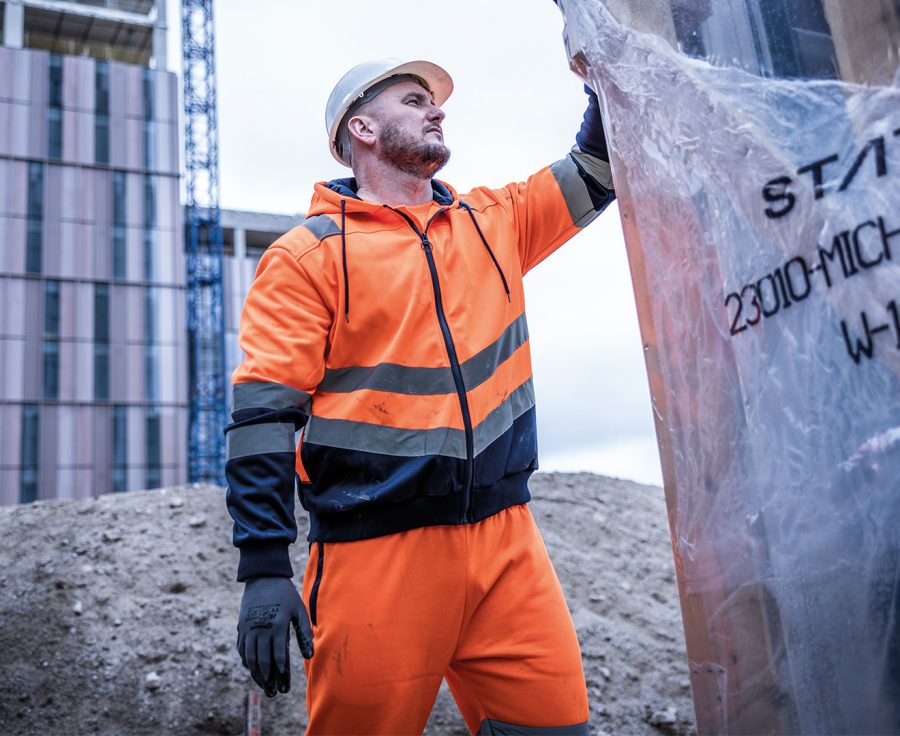
A high vis fleece is a great example of how well comfort and visibility can go hand in hand. A regular vest might not be warm enough when it becomes cold, but a thick jacket is too constricting to work in. A high vis fleece gives warmth and comfort while still retaining the brilliant colouring and reflective elements needed for visibility. It can also be layered with other items when it gets colder or wetter.
Different weights, sizes and styles are provided, showing consideration for the comfort of the worker. This can boost morale, promote appropriate use, and decrease the chance of makeshift or non-compliant alternatives. Employees are more likely to consider workwear a vital part of their daily routine if they feel it is designed for their needs.
Seasonal and Environmental Factors
Workplaces are not always the same all year. Summer may provide bright sunshine, heat and long days, while winter may mean rain, fog, early nightfall and low temperatures. The worker need gear that can adjust to these changes without sacrificing visibility.
Light vests and short-sleeved clothing may be fine in warmer weather, but are unlikely to provide sufficient protection in colder weather. By contrast, workers can keep warm and highly visible with insulated jackets, softshells, waterproof outer layers and a high vis fleece. Layering is especially important so people can add or remove layers of clothes as it warms or cools throughout the shift.
The wet weather is another challenge. Rain can lessen contrast, hide reflective bands and make it tougher to spot workers. Outdoor teams, especially those working in the vicinity of traffic or machinery, should therefore be provided with waterproof high visibility apparel. Fluorescent and reflective tape sections should also be checked periodically for cleanliness and effectiveness, especially in dusty, indoor or low-light conditions.
Supporting Various Roles and Tasks
The variety of roles within a workforce is also demonstrated in a wide selection of high visibility clothes. Office-based staff may only need to visit the site infrequently and may be provided with a simple vest, whereas full-time outdoor workers may require robust pants, jackets, fleeces, waterproofs and thermal layers. Drivers, supervisors, groundworkers and guests have varied demands and their clothes should reflect that.
A worker loading vehicles in a yard, for instance, may benefit wearing a high vis fleece that permits free movement while keeping them warm during numerous visits between indoor and outdoor environments. A traffic marshal may require a jacket of a higher class with increased reflective covering. A warehouse operative might need a lightweight vest that allows freedom of movement around racking and machines. These solutions keep things visible without asking one outfit to do all the work.
There is also the question of compatibility. A high vis fleece must not cover or obscure reflective bands on other necessary clothes. Where layering is required, employers should ensure that the total combination still provides the required level of visibility. This becomes especially important in high-risk areas where Class 3 protection may be needed.
Responsibilities, Legal and Practical
In the UK, businesses have an obligation to assess the dangers in the workplace and supply sufficient personal protective equipment if necessary. Where high visibility clothing is required for risk control, it should be provided free of charge to workers, kept in good condition and accompanied by relevant information and training. Workers should be told when to wear clothes, how to wear it correctly and how to report damage or contamination.
Practical support for these obligations comes in the form of a variety of clothes. It allows companies to supply appropriate attire for varied duties, change worn things quickly and maintain a uniform standard across teams. Regular checks should include checking for fading, rips, dirt, damaged reflective tape and poor fit. Even if a garment looks technically intact, it may not give the level of protection it was meant to provide.
Storage and replacement procedures are also significant. Storage in a clean, dry environment helps preserve luminous and reflective materials, while the simple replacement process discourages workers from continuing to use unsuitable clothes. These basic technologies send a strong message that visibility is not an optional addition, but a vital component of workplace safety.
Making a Safer Work Environment
A thorough high visibility apparel program is not simply a practical requirement. It says safety is built into how a business does business. Employers that have taken into account such considerations as temperature and comfort, weather, task demands and varied body types are more likely to have workers favourably interact with safety procedures.
It also helps consistency. Employers may ensure everyone gets acceptable, certified attire rather than expecting individual staff to source their own. A high vis fleece, part of a whole wardrobe of vests, jackets, pants and waterproofs, provides a clear and reliable standard across the workforce.
Ultimately, high visibility apparel is most successful if it is appropriate, comfortable, well maintained and suited to genuine working situations. Offering companies a broad range of solutions allows them to safeguard workers across seasons, roles and risk profiles while continuing to encourage use. Such flexibility is a core tenet of good workforce management and, in circumstances where visibility might avert major injury, is no luxury.