

Garden fences face relentless pressure from the ground. Moisture seeps upward from soil, frost heaves wooden posts, and contact with earth accelerates rot in timber that would otherwise last for years. Most homeowners focus on the visible parts—the fence panels and posts—without realising that the critical work happens at ground level, where gravel boards do the job of protecting everything above them.
Gravel boards are horizontal timber boards installed at the base of a fence, running along the ground between fence posts. They sit lower than the main fence panels, taking the full brunt of moisture, mud splash and soil contact. Rather than letting expensive fence panels touch the earth directly, gravel boards act as a sacrificial barrier. When they eventually need replacing—as they will, given their exposure—you can swap out a single component rather than rebuilding entire sections of fencing. Understanding how they function and why they matter transforms how homeowners approach fence installation and maintenance.
When planning a fence installation, the materials you choose determine how well that fence performs over time. Pressure-treated timber and concrete options both offer practical benefits, and having access to timber gravel boards in both forms means you can match your choice to site conditions and budget. Timber gravel boards work well in gardens with good drainage and aesthetic preferences for traditional wood finishes. Concrete gravel boards suit situations where durability and minimal maintenance matter more than visual warmth, or where ground conditions are particularly wet.
The installation of gravel boards requires straightforward practical planning. They sit in the gap between the lower edge of fence panels and the ground itself, typically spanning between the fence posts. This positioning means they absorb the moisture that would otherwise wick up into wooden panels, rotting them from the base upwards. In heavy rain or poor drainage conditions, this protection becomes especially valuable. Gravel boards also prevent mud from splashing onto fence panels during storms, reducing staining and keeping timber cleaner for longer.
Concrete gravel boards offer particular advantages in specific situations. They will not rot, splinter or need treatment against insects and fungal decay. In gardens adjacent to regularly watered flowerbeds or in properties with underlying clay soil that holds water, concrete boards eliminate a significant maintenance headache. They also work well when combined with concrete fence posts, creating a complete concrete base system that requires minimal ongoing attention. Homeowners who choose this approach often do so because they value the simplicity—install it, and then largely forget about it for many years.
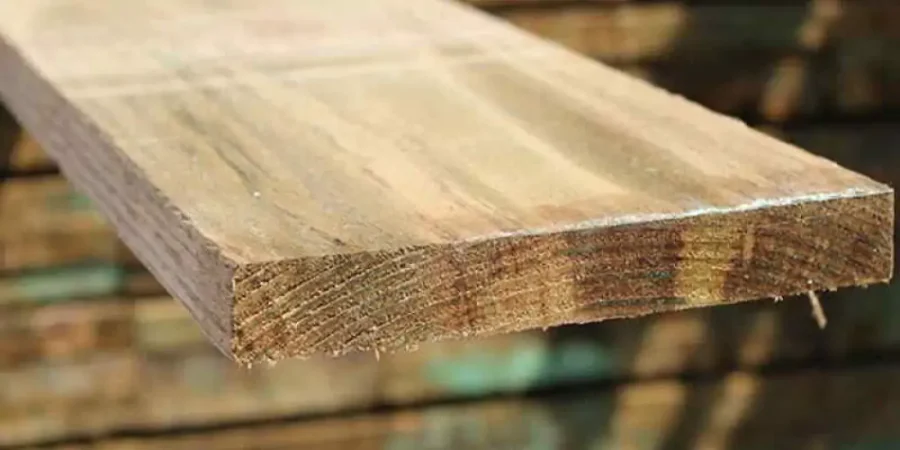
Timber gravel boards suit different priorities. They blend with wooden fence panels and posts, maintaining visual consistency throughout the structure. Pressure-treated timber gravel boards provide genuine protection against decay whilst retaining the natural appearance that many people prefer in their gardens. They do require occasional treatment—perhaps every few years—but that maintenance cycle is often acceptable to those who value the aesthetic result. The warmer appearance of timber also suits cottage gardens, rural properties and designs where traditional materials matter to the overall character.
Where Moisture Becomes the Critical Factor
Moisture management defines fence longevity more than any other single factor. A fence panel that never touches wet soil can last decades. The same panel installed directly on earth, with no gravel board protection, might begin showing rot within five to ten years, depending on local rainfall and drainage. This is not a minor difference—it is the distinction between a fence that serves its full lifespan and one that requires earlier-than-expected replacement.
Gardens vary dramatically in how they handle water. Some properties have naturally free-draining sandy or gravelly soil. Others sit on clay that holds water for days after rain. Valley gardens collect runoff from surrounding land. Coastal properties face salt spray and high water tables. Urban gardens often have compacted soil from years of building work. Each situation creates different demands. Gravel boards become increasingly important as ground conditions become wetter or more challenging.
Even in reasonably well-drained gardens, gravel boards earn their place by managing splash-back and seasonal moisture. Winter water sits on soil surfaces. Mud can build up to several centimetres deep in active gardens during wet months. Gravel boards keep wooden fence panels clear of this temporary flooding, maintaining the air gap that allows drying between rain events. This modest protection adds years to the lifespan of fence panels.
Practical Decisions About Depth and Material Choice
Gravel board depth typically ranges from 100 to 150 millimetres, though some installations use deeper boards in particularly challenging conditions. The depth determines how much soil contact the main fence panels avoid. A deeper gravel board creates a larger buffer between ground level and the wooden panels above. This becomes relevant in gardens where you have flowerbeds or raised planting areas adjacent to the fence, or where groundwater sits closer to the surface during winter.
Material choice involves weighing several practical factors. Timber gravel boards cost less initially than concrete alternatives. Installation is straightforward—they bolt or nail between fence posts in the same way as panels. They accept wood stains and preservative treatments, allowing colour coordination with fence panels if desired. The trade-off is that they require periodic maintenance and will eventually need replacement, typically after 10 to 15 years depending on local conditions.
Concrete gravel boards represent a longer-term investment. The initial cost is higher, sometimes significantly so. However, the calculation shifts over a 20-year lifespan. A concrete board installed once will still be functional when timber alternatives have been replaced two or three times. Concrete boards never rot, never need treatment, never splinter or deteriorate from moisture or frost. In gardens where the owner plans to stay long-term, or where maintenance is genuinely impractical, this durability becomes compelling.
Installation Considerations That Affect Performance
How gravel boards are installed matters as much as what they are made from. They must sit on a reasonably level surface. Significant slopes require stepped installation, with separate boards at different levels. Poor installation that leaves gaps allows water and soil to seep underneath, defeating the purpose entirely. The boards must be securely fixed to posts so they do not shift or settle unevenly over time. If a gravel board sinks on one side, pooling water can create exactly the problem the board was meant to prevent.
The space between gravel boards and the ground surface should be relatively small—perhaps 25 to 50 millimetres. This gap allows water to drain away and prevents the board from sitting in permanently wet conditions. However, it should not be so large that animals or children can slip underneath, and it should not allow soil to mound up against the board during garden work. Finding this balance takes thought during planning.
When replacing gravel boards in an existing fence, the surrounding fence can remain largely undisturbed. This modularity is a significant practical advantage. You do not need to dismantle fence panels or posts to swap out a deteriorated gravel board. Remove the fixings, slide out the old board and slide in the new one. This repairability makes gravel boards genuinely economical, even if individual boards seem expensive compared to simply installing panels without them.
Matching Gravel Boards to Your Garden’s Particular Needs
The decision between timber and concrete gravel boards ultimately depends on your specific situation and priorities. If your garden has excellent drainage, faces full sun and you enjoy the appearance of timber, pressure-treated timber gravel boards make practical sense. They are cost-effective and will serve well given the favourable conditions. If your garden is shaded, stays damp for days after rain, or you simply prefer not to undertake any maintenance, concrete boards provide peace of mind and genuine simplicity.
A mixed approach is also reasonable. Many installations use concrete gravel boards with timber fence panels above, gaining the durability benefit where it matters most—at ground level—whilst keeping the panels timber for appearance and workability. Others use concrete posts with timber gravel boards when the visual effect of a particular approach matters to them. There is no single correct answer, only choices that fit different circumstances.
The key insight is recognising that gravel boards are not optional extras or cost-cutting compromises. They are integral to fence construction, determining how long your investment actually lasts. A fence without gravel boards in damp conditions is a fence you will replace sooner rather than later. A fence with gravel boards, properly installed and matched to site conditions, is a fence that can reliably stand for 15, 20 or even 25 years. That difference in lifespan represents substantial savings in replacement costs and repair hassle, making the gravel board investment one of the clearest returns in garden construction.