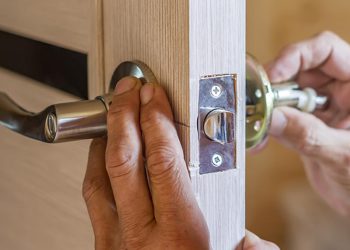


Being locked out can be upsetting and disruptive, but the difference between a fraught, expensive incident and a short, manageable interruption often comes down to how well you use the resources already at your disposal. This article looks at practical ways households and businesses can reduce cost and delay by organising keys, choosing sensible hardware and building straightforward working practices with locksmiths.
When people look for an emergency locksmith Newport they usually want a fast, reliable outcome — and while a prompt response matters, callers also benefit from taking simple preparatory steps that make any emergency job quicker and less costly.
Common lockout reasons are easy to anticipate: lost or broken keys, forgotten combinations, failed cylinders and accidents such as snapped keys. All of these scenarios have practical mitigations. The aim here is to help readers think beyond the call-out itself and consider how modest investments of time, money and organisation pay dividends when something does go wrong.
Making better use of available resources begins with an honest assessment of what you already have — spare keys, access arrangements for family or staff, documentation and a named local tradesperson — and then creating a short plan so those resources are immediately useful in an emergency.
Throughout this piece I describe straightforward measures — cataloguing keys, sensible hardware choices, pre-authorised access arrangements and communication templates — that reduce friction for both the person experiencing the lockout and the professional attending. The emphasis is on practical, repeatable actions rather than one-off, costly upgrades.
The rest of the article expands on those measures: how to audit your locks and keys, good spare-key policies, smart-use of lockboxes and technology, getting the most from an emergency visit and how businesses can scale these practices across premises and teams.
Assess What You Already Have
Begin with a short audit. Walk around the property and list every external door, garage, shed and gate with a lock. Note how each is secured — cylinder type, deadbolt, multipoint lock or padlock — and whether keys are unique or duplicated across several locks. This inventory turns a vague memory into a quick reference that will save time if you need to explain the situation to a locksmith.
For rented or multi-occupancy properties, include information about who has tenancy responsibilities and where official keys are held. For businesses, map out which staff have authorised access to which areas and whether any master-key arrangements exist; that information is invaluable during an emergency.
Practical Preparations to Reduce Call-Outs
Spare Key Solutions
Decide where spare keys will be held and how they will be released. Leave a spare with a trusted neighbour, family member or building manager, or keep one in a discreet secure location. Whatever you choose, record the location in the inventory mentioned above so you or a responding locksmith can confirm if a spare is available before a call-out is made.
Key Safes and Lockboxes
For properties where a spare key must be accessible to multiple people — care providers, cleaners or maintenance teams — a keyed lockbox fixed to a secure, sheltered part of the building is a sensible option. These devices allow authorised professionals to access a key quickly without forcing doors, and they’re a practical compromise when replacing mechanical keys with fully digital access isn’t feasible.
Smart Locks as a Complement
Electronic locking solutions can reduce call-outs if installed and configured thoughtfully. Consider smart locks where users can generate temporary access codes or unlock via phone; they work particularly well for short-term guests or contractors. However, treat smart locks as an addition to a broader plan rather than a complete replacement — technology can fail, so retain mechanical contingencies and document fallback procedures.
How to Work with Emergency Locksmiths Efficiently
Communicate clearly and prepare information before you call. A short checklist is useful: exact address, which door or lock is affected, whether anyone is inside and whether there are any vulnerabilities such as medical needs or exposed valuables. Photographs of the door and lock, sent ahead by text, will allow the locksmith to bring the correct tools and may reduce the time on site.
Where frequent access issues are possible, ask about pre-vetting or a verified contact list with a small number of trusted tradespeople and keep their contact details to hand. For businesses, consider establishing an account or retainer with an emergency locksmith so routine admin and authorisation are already in place; this speeds attendance and clarifies billing arrangements.
Making the Most of Community and Digital Resources
Local community networks and online platforms make it easier to identify reputable tradespeople and share practical advice about what works locally. Neighbourhood groups often share experiences about response times, costs and tips for managing common local issues such as older Victorian doors or coastal corrosion problems that can affect locks.
Digital tools can help too: maintain a secure note on your phone with your key inventory, preferred locksmith contacts and an authorisation template for property owners to sign if someone else needs access. For businesses, integrate this information into facilities management systems so it’s available to reception and on-call staff when required.
Cost-Conscious Strategies for Households and Businesses
Small, regular maintenance prevents many emergency situations. Lubricate cylinder locks annually with a recommended graphite or specialist lock lubricant rather than oil, which attracts dirt. Replace worn keys before they snap and repair loose handles promptly — these measures are inexpensive and significantly reduce emergency incidents.
Businesses should consider scheduled maintenance contracts that include lock checks and timely cylinder replacements; spreading the cost over a year often proves more affordable than unpredictable emergency call-outs. For homes, a modestly priced lock upgrade or a single professional visit to rekey multiple locks can be an economical hedge against future costs.
Training, Authorisation and Accessibility
For organisations and households caring for elderly or vulnerable people, ensure carers and staff understand authorised access arrangements and have the necessary documentation. A short training session or a simple written protocol clarifies who can grant access and under what circumstances, avoiding delays and safeguarding occupants.
Similarly, ensure that any emergency arrangements respect privacy and legal responsibilities. Landlords should have clear lines of communication with tenants about emergency access, and business managers must keep audit trails of who received keys or authorisations and when.
What to Do on the Day of a Lockout
Start by staying safe and keeping calm. If you suspect a break-in or other criminal activity, contact the police first. If it’s a simple lockout, try the least invasive options before calling a locksmith: check for spare keys, see whether a different door or window is accessible, and ask household members or colleagues if anyone has a known spare.
When you do contact a locksmith, give the same clear information you used in your preparation checklist so the professional arrives prepared. If you have a membership, account or previously agreed terms, remind the operator — this can speed the process and ensure the correct biller information is used.
Everyday Practices That Yield Long-Term Benefits
Small routines add up. Keep a labelled key ring for every essential key and update your inventory when keys are added or lost. Periodically review access arrangements for employees and contractors so access lists remain current. Encourage a culture where minor lock problems are reported quickly rather than ignored until they become emergencies.
These practices do not require major investment but do rely on consistent attention. Over time they reduce the frequency and severity of emergencies, making locksmith visits more targeted and often quicker — which benefits both property owners and the tradespeople they call.
Final Thought
Emergency locksmith situations will always occur, but by making better use of available resources — from spare keys and lockboxes to pre-established working practices with tradespeople — households and businesses in Newport can reduce disruption, lower costs and get back to normal more quickly. Preparation and small, sensible investments pay for themselves the first time they prevent an avoidable call-out.
Get in Touch:
Lockworx Locksmiths
07870 625433
lockworxcardiff.co.uk