

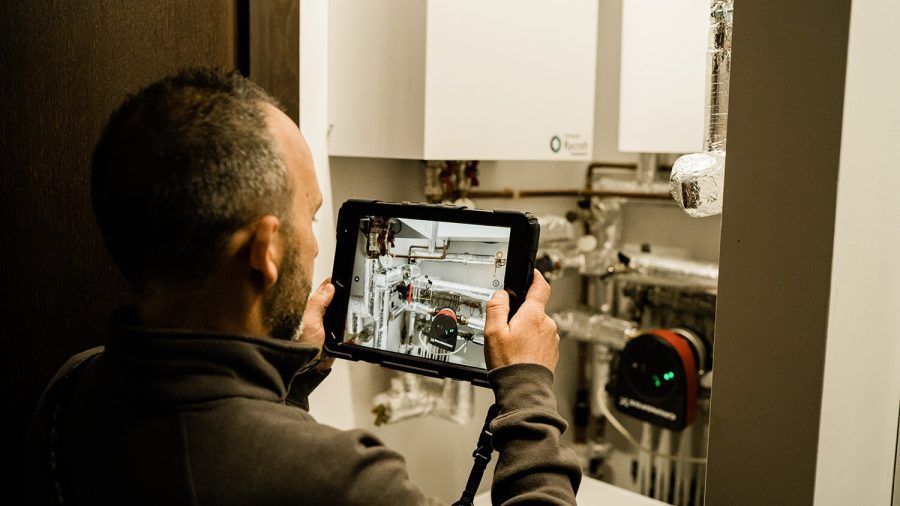
An HIU, or heat interface unit, is essential for the provision of hot water and heating to properties that are connected to communal or district heating networks. An HIU operates most efficiently when it is routinely serviced and maintained correctly, much like any intricate mechanical system. One of the most straightforward and efficient methods to guarantee the long-term performance, reliability, and energy efficiency of your heating system is to schedule a routine HIU service. Even the most exceptional equipment can fail to meet expectations and incur significantly higher operating costs over time if it is not maintained consistently.
Many building managers or property owners believe that an HIU requires attention only when something goes awry. In reality, minor issues can be identified before they escalate into costly restorations through preventive maintenance through regular HIU service appointments. During a professional HIU service, engineers verify that all components are operating at their optimal efficacy by inspecting the heat exchangers, valves, controls, and filters. This proactive approach guarantees that end consumers receive a consistent supply of hot water and heat throughout the year, in addition to mitigating the risk of sudden breakdowns.
The immediate impact on energy efficiency is one of the primary reasons to invest in a scheduled HIU service. Heat transfer becomes inefficient and the system must work harder to accomplish the same output when sediment, scale, or air build-up occurs within an HIU. Over time, this inefficiency results in increased energy consumption, which in turn leads to higher heating expenses for building owners or occupants. The system is recalibrated to operate at its intended capacity and these obstructions are flushed out through a HIU service, which assists in the reduction of the property’s carbon footprint and the realisation of substantial energy savings.
An HIU service guarantees that critical components, including differential pressure control valves and plate heat exchangers, are maintained in optimal condition from a technical standpoint. These components are essential for the regulation of heat distribution and the preservation of a balanced water flow. The system may experience difficulty in maintaining consistent temperatures or may generate inconsistent heating in various regions of a property when the components become worn or dirty. As part of an HIU service, routine inspection and cleansing are conducted to ensure consistent output and prevent common issues such as noisy operation or fluctuating water temperatures.
The significance of a consistent HIU service cannot be overstated for property managers who are responsible for the management of multiple dwellings or commercial units that are connected to a communal heating scheme. The collective demand on the central plant is diminished when each element operates efficiently. This equilibrium is advantageous to the entire network, as it reduces the strain on shared boilers and pumps and enhances the overall efficacy of the system. Neglecting a single HIU can result in a cascade of inefficiencies that affect the entire network. Therefore, a structured servicing schedule is advantageous for the long-term health of the broader heat network, in addition to the individual consumers.
The role of regular HIU service in safety assurance is a frequently disregarded aspect. Despite the fact that an HIU is not identical to a gas boiler, it still entails the transfer of pressurised water and heat between systems. Leaks may develop in the network, potentially resulting in water damage or pressure issues, if valves or seals degrade over time. These components undergo a comprehensive inspection during routine maintenance to guarantee their safe operation and adherence to applicable safety regulations. This is especially crucial in multi-residential structures, as a single malfunction can have a significant impact on numerous households.
Maintaining warranty compliance is an additional significant advantage of scheduling routine HIU service. Many manufacturers of HIUs require regular servicing as a condition of the warranty. Property proprietors may be held entirely accountable for costly repairs or replacements if they neglect to adhere to maintenance schedules, which could render this coverage null and void. Owners can establish that the heating system has been meticulously maintained by maintaining detailed service records. This not only maintains the warranty but also serves as an asset when selling or leasing the property, as it demonstrates that the heating system has been meticulously maintained.
The convenience and satisfaction of residents are improved by consistent HIU service, in addition to technical and financial considerations. During the colder months, there are few things more exasperating than inconsistent heating or lukewarm water. Occupants experience a more dependable experience when the system operates efficiently as a result of professional maintenance. This reliability is especially beneficial for landlords and building managers who are responsible for large residential developments, as it fosters trust and reduces the number of maintenance complaints.
A standard HIU service is also consistent with environmental objectives for building proprietors that prioritise sustainability objectives. An HIU that operates efficiently utilises less energy and contributes to reduced carbon emissions. The cumulative effect of properly maintained systems across dozens or even hundreds of dwellings can represent a significant reduction in overall energy use over the course of a year. In this regard, responsible servicing is not merely a maintenance decision; it is a component of a more comprehensive approach to sustainable building management.
The lifespan of the system can also be substantially extended through regular HIU service. Wear and strain accumulate over time, as is the case with any mechanical device. Filters, gaskets, and seals undergo a natural degradation process as they are employed. Before they result in system duress or failure, servicing enables the replacement or cleaning of these components. A HIU that is well-maintained can last for many years longer than one that is neglected, resulting in an impressive return on investment when compared to the cost of premature replacement.
Professional engineers who are conducting an HIU service can also modify system settings in accordance with the most recent environmental conditions or utilisation patterns from an operational perspective. For instance, in order to enhance comfort and optimise energy consumption, thermostatic valves or heat control parameters may be modified. This fine-tuning guarantees that the HIU continues to satisfy the current requirements of users, rather than operating on an outmoded calibration that is no longer appropriate for the property’s occupancy or heat demand.
In commercial or mixed-use developments, the scheduling of a planned HIU service also contributes to business continuity by minimising disruption. Tenants or employees may experience inconvenience as a result of unforeseen malfunctions that disrupt building operations. Preventive maintenance guarantees that systems operate efficiently, guaranteeing that hot water and warmth are accessible when they are most required. By avoiding emergency repairs, property managers and proprietors can not only save money but also prevent operational disruption, which can have reputational benefits.
An additional benefit of periodic HIU service that is frequently overlooked is enhanced system diagnostics. The performance data of modern HIUs is recorded by control modules and sensors. Engineers can analyse this data during maintenance visits to identify early indications of inefficiency, component wear, or potential defects. This will enable the strategic planning of early intervention, thereby preventing the tension and expense associated with unforeseen breakdowns. The future of heating system maintenance is represented by this data-driven approach to servicing, which is predictive rather than reactive.
Routine HIU service provides exceptional value for money when the financial aspect is taken into account. In comparison to the expense of replacing main components or paying for emergency callouts, the cost of a single annual or biannual service is relatively low. Additionally, the servicing cost is frequently offset within a brief period by the energy savings that are achieved through enhanced efficiency. The total cost of ownership for a well-maintained HIU is significantly lower than that of a neglected one in the long term.
Compliance is also a factor to take into account. In numerous multi-occupancy buildings, management teams are obligated to ensure that mechanical systems are in compliance with health and safety regulations. Regular HIU service appointments establish a documented record of conformance, demonstrating that diligent maintenance of the heating and hot water infrastructure has been implemented. This is especially crucial during audits or examinations, as it ensures that industry standards and best practices are being adhered to.
The hazards associated with limescale build-up render HIU service even more critical for properties located in regions with hard water. The heat exchangers’ efficacy is reduced and internal components may be damaged as a result of the natural formation of scale. The HIU’s capacity to transmit heat efficiently is restored and the buildup is prevented from becoming a costly issue through the use of specialist cleaning or descaling during routine servicing. The advantages are tangible: reduced energy consumption, quicker heat response, and fewer operational complications during the winter months.
Modern servicing methods have also advanced as HIU technology continues to evolve. Today, a professional HIU service may involve digital testing equipment, updated calibration procedures, and precision system measurements that improve performance accuracy. The application of new techniques by skilled engineers ensures that each service visit is more effective and reliable, as they keep pace with these innovations. By adhering to the specified maintenance schedule, the unit can capitalise on these technological advancements, thereby guaranteeing that it remains at the forefront of operational efficiency.
In conclusion, consistent HIU service is a financial investment that guarantees reliability, performance, and tranquillity. It ensures the system’s efficacy, prolongs its lifespan, and provides building occupants with consistent comfort. In the same way, it facilitates compliance with warranty or safety standards, environmental responsibility, and cost control. Scheduling timely HIU servicing is the most effective method of safeguarding both your heating system and your financial investment, regardless of whether you are responsible for administering a single household or a large multi-residential property. The backbone of dependable, efficient heat delivery for years to come is a well-serviced HIU, which is not merely a convenience.