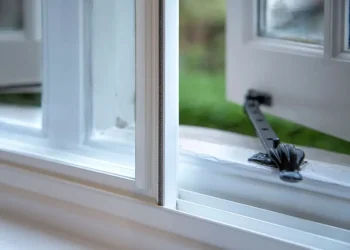


Homeowners and businesses alike are taking advantage of uPVC glass replacement as a popular and affordable option to upgrade their homes’ energy efficiency, security, and curb appeal. Anyone planning to renovate their house would be well to familiarise themselves with the advantages and procedures of uPVC glass replacement, as windows and doors are vital to the overall efficiency of the structure.
Because of its longevity, minimal maintenance needs, and outstanding insulating qualities, uPVC—an abbreviation for “unplasticized polyvinyl chloride”—has been extensively used as a material for door and window frames. Nevertheless, despite these sturdy frames, there are a number of reasons why the glass itself could require repair at some point. uPVC glass replacement eliminates the need to replace whole window or door components, allowing property owners to address concerns like breakage, obsolete technology, or the need for greater performance.
Improving energy efficiency is a key factor to consider when looking to replace uPVC glass. Especially in the summer, older windows made of single-pane glass can let a lot of heat out and a lot of heat in during the winter. Homeowners may significantly lower their energy consumption and, by extension, their utility costs, by replacing outdated uPVC windows with new double- or triple-glazed ones. These devices consist of many panes of glass that are filled with insulating gas or air between each pane to drastically decrease heat transmission.
In addition, low-emissivity (low-E) coatings are among the cutting-edge technologies frequently used in uPVC glass replacement. In the winter, these translucent coverings that are microscopic in thickness reflect the room’s heat back into it, while in the summer, they block the sun’s heat. If you’re seeking to make your home or office more eco-friendly and pleasant, this technology can help you save energy with uPVC glass replacement.
The need for uPVC glass replacement is being propelled in large part by concerns about security. Upgrading to more resistant glass alternatives might alleviate the growing issue of building security for many property owners. Toughened or laminated safety glass, an option for replacing uPVC glass, is far more durable than regular glass and can withstand much more force without breaking. If a break-in attempt were to occur, this reinforced glass would either be able to endure more force or, if shattered, would break into smaller, less hazardous fragments.
In cities or on houses close to major roadways, the noise reduction offered by uPVC glass replacement is an especially welcome perk. Upgrades to uPVC glass, which replace older, thinner panes with newer, thicker ones, can greatly reduce the amount of outside noise that gets into a structure. Having better acoustic insulation may make a huge difference in how pleasant and quiet a room is, whether you’re living there or at work. People residing in loud places might find uPVC glass replacement to be a good solution, as certain specialised acoustic glass solutions can lower noise levels by as much as 40 decibels.
The replacement of uPVC glass may greatly improve a property’s visual appeal. Buildings can lose some of their curb appeal when glass surfaces get cloudy, damaged, or accumulate mineral deposits. uPVC glass replacement provides a chance to modernise the look of windows and doors while simultaneously fixing these difficulties. Tinted, frosted, or ornamental glass alternatives are available to property owners, allowing them to compliment their building’s architecture and personal style. Adding this aesthetic touch has the ability to raise the property’s resale price.
You should know what to expect from the procedure when you think about replacing your uPVC glass. In most cases, a professional glazier will evaluate the current windows or doors to figure out how to replace them. It is not always necessary to dismantle and replace the complete window or door frame in order to replace uPVC glass. In comparison to replacing the entire unit, this tailored approach causes less interruption and costs less money.
Carefully removing the old uPVC glass together with any seals or beading is generally the first step in replacing the glass. The glazier will next clean and prepare the frame so the new glass fits perfectly. Installing spacer bars to generate the spacing needed for double or triple glazing is dependent on the kind of uPVC glass replacement being carried out. After that, the new panes of glass are delicately placed into the frame to make sure they fit perfectly.
When replacing uPVC glass, one of the most important things to do is seal it properly. To make sure the new glass is totally airtight and waterproof within the frame, professional glaziers utilise high-quality gaskets and sealants. Doing this will ensure that the new glass continues to be energy efficient and lasts as long as possible. To polish off the look and ensure the glass stays there, fresh beading is usually placed when it is firmly in place.
One of the many advantages of uPVC glass replacement is the variety of glass options available for installation. In addition to the more common clear glass, homeowners have a few other options, such as solar control glass, which blocks some of the sun’s heat, self-cleaning glass, which uses a coating to dissolve grime, and privacy glass, which blocks some light but not others. With so many alternatives, uPVC glass replacement may be customised to meet individual tastes and requirements.
People who are worried about condensation might find answers by replacing their uPVC glass. Due to the fact that the inside surface of the glass remains at a more constant temperature with double or triple glazing, condensation is greatly reduced. To further reduce condensation and keep the interior atmosphere healthy, several uPVC glass replacement alternatives contain certain coatings or gases between the panes.
One of the many appealing aspects of uPVC glass replacement is its durability. Modern glazing components have a lifespan of twenty years or longer with good installation. Property owners may enjoy the benefits of improved windows and doors for many years with no care thanks to the durability and low maintenance needs of uPVC frames.
Before replacing any uPVC windows, make sure you research all applicable legislation and requirements. When it comes to new construction or major renovations, the energy performance of windows and doors is a must in many areas. Any replacement uPVC glass may be assured to meet or above these criteria by hiring a professional glazier who is well-versed in these rules.
It is also important to think about how replacing uPVC glass would affect the environment. Although there is an environmental footprint associated with the manufacture of uPVC and glass, the initial effect can be mitigated by the long-term energy savings and durability of contemporary glazing components. Recycling is an option for many uPVC and glass components, which lessens the environmental effect even further when replacing uPVC glass.
If you are planning a major makeover, replacing the uPVC glass on your windows and doors is a great chance to update them in more ways than one. As an example, you may install trickle vents to increase airflow or replace worn-out hardware like handles and locks. Replacement of uPVC glass gives some homeowners the chance to update the look of their windows; for example, they may opt for a multi-pane design instead of a single huge pane for a more classic appearance.
To sum up, homeowners who want to upgrade the look and functionality of their windows and doors may reap several benefits by replacing the glass with uPVC. various buildings can benefit from replacing their old glass with uPVC because of the various benefits it offers, including increased energy efficiency, security, aesthetics, and noise reduction. Homeowners can get the most out of their uPVC glass replacement experience if they take the time to learn about the procedure and the different alternatives accessible to them. More and more creative methods will likely be developed for replacing uPVC glass as technology progresses, which will increase its attractiveness as a home repair alternative.