


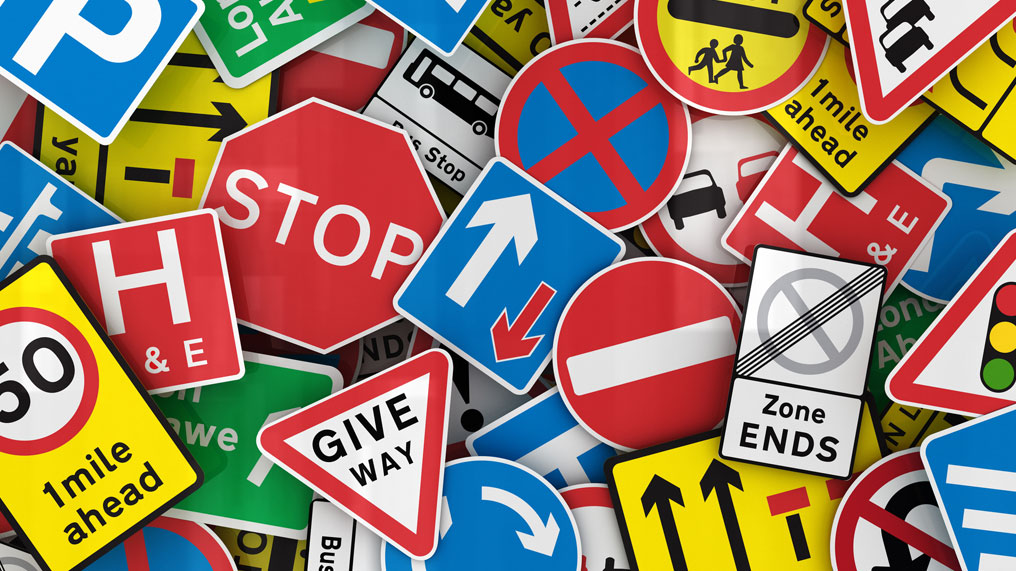
The Highway Code serves as the backbone of road safety in the UK, offering a comprehensive set of guidelines that govern the behavior of drivers, cyclists, and pedestrians. Among the most critical aspects of the Highway Code are its speed regulations, which are designed to ensure the safety of all road users. Adhering to the Highway Code’s speed regulations is not just a legal obligation but a crucial factor in preventing accidents, reducing fatalities, and promoting a safer driving environment. This article delves into the various facets of the Highway Code’s speed regulations, exploring their significance, the factors that influence speed limits, and the consequences of non-compliance.
The Importance of the Highway Code’s Speed Regulations
Speed is a fundamental element in the dynamics of road safety. The faster a vehicle travels, the less time the driver has to react to unexpected hazards, and the greater the impact force in the event of a collision. The Highway Code’s speed regulations are carefully calibrated to balance the need for efficient traffic flow with the imperative of minimizing risk to all road users. These regulations take into account a variety of factors, including road type, traffic density, and the presence of vulnerable road users such as pedestrians and cyclists.
The Highway Code’s speed regulations are essential for maintaining order and predictability on the roads. By setting clear limits on how fast vehicles can travel under different conditions, these regulations help to reduce the variability in speeds among vehicles. This reduction in speed variability is crucial because it decreases the likelihood of accidents caused by sudden braking or overtaking maneuvers, which can occur when there is a significant difference in the speed of vehicles on the same road.
Moreover, the Highway Code’s speed regulations play a vital role in protecting the most vulnerable road users. Pedestrians, cyclists, and motorcyclists are at a higher risk of injury or death in the event of a collision with a vehicle. Lower speed limits in areas with high pedestrian activity, such as residential zones and school areas, are specifically designed to reduce the severity of injuries in the event of an accident. The Highway Code recognizes that while vehicles can be replaced, human lives cannot, and thus prioritizes safety over speed in its regulations.
Different Types of Speed Limits
The Highway Code’s speed regulations encompass a range of speed limits that apply to different types of roads and vehicles. These speed limits are not arbitrary but are based on extensive research into road safety, traffic flow, and the behavior of road users. Understanding the different types of speed limits is crucial for complying with the Highway Code and ensuring safe driving practices.
National speed limits are a key component of the Highway Code’s speed regulations. These are the default speed limits that apply to different types of roads when no other specific speed limit is posted. For example, on single carriageway roads, the national speed limit is generally 60 mph for cars, while on dual carriageways and motorways, the limit is typically 70 mph. These limits are set to reflect the road design, the expected traffic conditions, and the potential hazards associated with each type of road.
Urban speed limits are another critical aspect of the Highway Code’s speed regulations. In built-up areas, where there is a higher likelihood of encountering pedestrians, cyclists, and other vulnerable road users, the speed limit is usually set at 30 mph. This lower speed limit is intended to reduce the risk of collisions and to ensure that, if an accident does occur, the consequences are less severe. In some areas, particularly near schools or in residential neighborhoods, the speed limit may be further reduced to 20 mph to enhance safety.
Temporary speed limits are also part of the Highway Code’s speed regulations. These limits are often introduced in response to specific conditions, such as roadworks, traffic accidents, or adverse weather conditions. Temporary speed limits are usually indicated by signage and are legally enforceable, just like permanent speed limits. The purpose of these temporary limits is to ensure the safety of road users and workers in situations where the normal speed limit would be unsafe.
Factors Influencing Speed Limits
The Highway Code’s speed regulations are not set in stone; they are influenced by a variety of factors that are carefully considered by traffic planners and safety experts. Understanding these factors can provide valuable insight into why certain speed limits are in place and why it is so important to adhere to them.
One of the primary factors influencing speed limits is road type. Different types of roads have different characteristics that affect the appropriate speed for vehicles. For example, motorways are designed for high-speed travel, with multiple lanes, limited access points, and wide shoulders. As a result, the speed limit on motorways is generally higher than on other types of roads. In contrast, single carriageway roads, which often have sharp bends, narrow lanes, and frequent junctions, have lower speed limits to account for the increased risk of collisions.
Traffic density is another critical factor that influences the Highway Code’s speed regulations. In areas with high traffic volumes, lower speed limits are often necessary to reduce the likelihood of accidents caused by congestion, sudden braking, or merging traffic. In urban areas, where traffic is typically heavier, lower speed limits help to maintain a steady flow of vehicles and reduce the potential for gridlock or collisions.
The presence of vulnerable road users is also a significant consideration in setting speed limits. In areas where pedestrians, cyclists, and motorcyclists are likely to be present, the Highway Code’s speed regulations often impose lower limits to protect these individuals. For example, near schools, parks, or shopping areas, speed limits may be reduced to ensure that drivers have sufficient time to react to the unpredictable movements of children, pedestrians, or cyclists.
Environmental factors, such as road surface conditions, weather, and visibility, also play a role in determining speed limits. Roads that are prone to flooding, ice, or poor visibility due to fog or rain may have lower speed limits to account for the increased stopping distances and reduced control that these conditions can cause. Similarly, steep gradients or sharp bends may necessitate lower speed limits to prevent vehicles from losing control.
Enforcement of the Highway Code’s Speed Regulations
The enforcement of the Highway Code’s speed regulations is crucial for ensuring that these rules are followed and that the roads remain safe for all users. Various methods are used to enforce speed limits, including fixed speed cameras, mobile speed cameras, and police patrols. These enforcement measures are designed to deter drivers from exceeding the speed limit and to penalize those who do.
Speed cameras are a common tool used to enforce the Highway Code’s speed regulations. These cameras are strategically placed in areas where speeding is known to be a problem or where there is a high risk of accidents. Fixed speed cameras are permanently installed and automatically capture the speed of passing vehicles, issuing fines to those that exceed the limit. Mobile speed cameras, on the other hand, can be deployed temporarily in areas where speeding is a concern, providing flexibility in enforcement.
Police patrols also play a significant role in enforcing the Highway Code’s speed regulations. Officers use radar guns or other speed detection devices to monitor vehicle speeds and can issue on-the-spot fines or warnings to drivers who are caught speeding. In more serious cases, such as excessive speeding or dangerous driving, police may take further action, including prosecution or license suspension.
The penalties for violating the Highway Code’s speed regulations vary depending on the severity of the offense. Minor infractions may result in a fine and points on the driver’s license, while more serious offenses, such as driving significantly over the speed limit or in a manner that endangers others, can result in heavier fines, license suspension, or even imprisonment. The Highway Code’s strict enforcement policies underscore the importance of adhering to speed regulations and the serious consequences of failing to do so.
The Impact of Speed on Road Safety
The relationship between speed and road safety is a key reason why the Highway Code’s speed regulations are so rigorously enforced. Higher speeds increase the likelihood of accidents and the severity of those that do occur. The physics of speed dictates that the faster a vehicle is traveling, the longer it takes to stop, and the greater the force of impact in a collision. This means that even a small increase in speed can have significant consequences in terms of road safety.
One of the most concerning effects of speeding is the reduced reaction time it affords drivers. At higher speeds, drivers have less time to perceive and respond to hazards, such as a pedestrian stepping into the road or a vehicle suddenly braking in front of them. This reduced reaction time can lead to accidents that might have been avoided if the driver had been traveling at a lower speed.
The severity of injuries in a collision is also directly related to the speed at which the vehicles are traveling. The Highway Code’s speed regulations aim to minimize the impact forces in the event of a collision, thereby reducing the likelihood of serious injuries or fatalities. For example, a pedestrian hit by a car traveling at 30 mph is significantly more likely to survive than one hit by a car traveling at 40 mph. This stark difference highlights the critical importance of adhering to speed limits, particularly in areas where pedestrians are present.
Moreover, speed affects the ability of drivers to navigate curves, intersections, and other challenging road conditions. At higher speeds, vehicles are more prone to losing traction, particularly in adverse weather conditions or on uneven road surfaces. This can result in skidding, loss of control, and ultimately, accidents. The Highway Code’s speed regulations take these factors into account, setting lower speed limits in areas where such risks are heightened.
Adapting to the Highway Code’s Speed Regulations
Adapting to the Highway Code’s speed regulations is not just about following the law; it is about cultivating a mindset that prioritizes safety over speed. Drivers who understand the rationale behind speed limits are more likely to adhere to them and to adjust their speed according to the conditions of the road and traffic.
One of the key principles of safe driving is the ability to judge when it is appropriate to drive at or below the posted speed limit. The Highway Code’s speed regulations are designed to set maximum speeds, but there are many situations where it may be safer to drive at a lower speed. For example, in heavy traffic, poor weather conditions, or unfamiliar areas, reducing speed can significantly enhance safety.
The Highway Code encourages drivers to be aware of their surroundings and to adjust their speed accordingly. This includes recognizing the presence of vulnerable road users, anticipating potential hazards, and being prepared to stop or slow down if necessary. By adopting this proactive approach to speed management, drivers can contribute to a safer road environment for everyone.
Conclusion: The Vital Role of the Highway Code’s Speed Regulations
The Highway Code’s speed regulations are a cornerstone of road safety in the UK. They are carefully designed to protect all road users by setting appropriate speed limits based on road type, traffic density, and environmental conditions. Adhering to these regulations is essential for reducing the risk of accidents, minimizing the severity of collisions, and ensuring the safety of vulnerable road users.
Understanding the factors that influence speed limits, the methods of enforcement, and the impact of speed on road safety helps drivers appreciate the importance of these regulations. By following the Highway Code’s speed regulations and adapting to the conditions of the road, drivers can play a crucial role in making the roads safer for everyone. Ultimately, the Highway Code’s speed regulations are not just about compliance; they are about fostering a culture of responsible and safe driving.