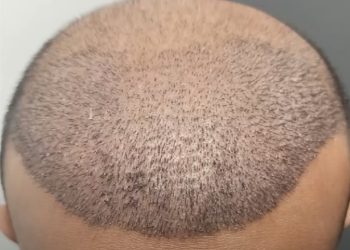


Choosing a hair restoration pathway is as much about medical judgement as it is about personal taste. For many people the promise of thicker hair is appealing, but the route to a natural, enduring outcome depends on decisions taken before, during and after any intervention.
A tailored approach places the individual at the centre of care rather than asking them to fit a standard package. That distinction matters because hair loss varies in cause, pattern and progression, and because the visual objectives of patients are highly personal — influenced by age, occupation, lifestyle and aesthetic preference.
In practical terms, tailoring begins with a detailed consultation. A clinician-led assessment will map the pattern of loss, review medical history and discuss realistic expectations. It will also consider non-surgical alternatives and the possibility of staged treatments so any intervention aligns with long-term plans, rather than offering a single, one-off procedure.
For prospective patients the differences between generic and tailored clinics are immediately noticeable: whether the first conversation is clinical or commercial, whether the plan looks like a template or a bespoke proposal, and whether the proposed techniques suit the individual’s hair type and goals.
When researching options, searching for a hair transplant clinic UK is a reasonable first step, but prioritise clinics that emphasise surgeon-led consultations, clear treatment planning and a range of techniques so you can choose the option best matched to your needs.
What Personalised Treatment Planning Actually Involves
A genuinely personalised plan is not simply a choice of FUE or FUT; it is a sequence of decisions tailored to anatomy and expectation. That starts with donor-area assessment — the available density and hair characteristics determine how many grafts can be safely harvested and how they will be distributed for natural coverage.
Next comes hairline design. A hairline that suits a patient’s face shape, age and future hair-loss trajectory avoids an artificially youthful appearance as the surrounding native hair changes over time. Surgeons who apply artistic judgement as well as technical skill will design a hairline with hair grouping, angulation and density that mimics natural growth.
Following surgical planning, an individualised aftercare schedule is integral. Recovery timelines, medical therapies to support transplanted hair, and follow-up reviews are adapted to the patient’s lifestyle so that practicalities such as returning to work, travel and exercise are managed without unnecessary disruption.
Why Surgeon-Led Consultations Make a Difference
Surgeon-led consultations ensure that clinical expertise shapes both the diagnosis and the plan. A registered surgeon can explain the rationale for a technique, how it will be executed, and when additional or alternative treatments are preferable. That level of clinical ownership reduces the chance of misaligned expectations and supports clearer informed consent.
Clinics that are regulated by recognised bodies and feature GMC-registered surgeons convey reassurance that clinical governance is in place. Patients benefit from transparent discussions about suitability, staged approaches and the likely timelines for visible change — initial growth often becomes apparent around three to six months, with further maturation over roughly 12 to 18 months.
How Modern Techniques Help Personalisation
Advances in extraction and graft handling allow surgeons to tailor techniques to donor characteristics and aesthetic aims. Follicular Unit Extraction (FUE) is versatile and can be adapted for different hair types and recipient densities. Alternative approaches such as Follicular Unit Transplantation (FUT) remain useful for specific situations where larger graft numbers are needed and where scarring can be managed according to the patient’s preferences.
Specialist tools and systems introduced in recent years assist in refining graft selection and placement. When a clinic offers a broad technical repertoire, including micrografting and specialist extraction systems, it increases the options available to patients who require a customised approach.
Beyond Scalp Restoration: Beard and Eyebrow Options
Personalisation extends to facial hair. Beard and eyebrow transplants demand precision because the target areas have particular hair directions and densities; individual styling goals and cultural factors also influence the desired result. A tailored plan will address donor suitability, the ideal number of grafts and the patterning needed to achieve a natural finish.
Non-Surgical Complements That Support Personalised Results
Not every patient needs surgery, and many benefit from a combination of treatments. Medical therapies can slow progression and enhance the results of surgery, while scalp micropigmentation offers a cosmetic alternative or complement to increase the appearance of density without additional grafting.
When a clinic discusses these options alongside surgical pathways, patients can make informed choices that match their tolerance for downtime, budget and long-term plans. A staged strategy — for example, medical stabilisation followed by a measured transplant — often yields outcomes that remain coherent over time.
Practical Advantages of a Bespoke Approach
Tailored care commonly results in more efficient use of donor resources. By planning placements that respect future hair-loss patterns, surgeons preserve donor grafts for subsequent procedures if required, and avoid over-harvesting. That considered approach is particularly valuable for younger patients whose hair loss may continue to evolve.
Patients also report practical benefits: fewer follow-up surprises, a clearer financial plan when staged treatments are possible, and care schedules that fit work and family commitments. Clinics that offer transparent finance options, staged scheduling and a clear pathway from consultation to long-term maintenance make personalised care easier to manage.
Corrective Work and Why Personalisation Matters There Too
Corrective procedures are a specialised branch of hair restoration where tailored planning is essential. Revising previous outcomes requires careful assessment of scar tissue, graft survival and scalp biology. Surgeons experienced in corrective work will advise on the sequence of interventions — sometimes combining excisions, graft redistribution and micropigmentation to achieve a harmonious result.
Because corrective cases are inherently individual, a bespoke strategy ensures each technical choice supports the aesthetic objective rather than repeating generic solutions that may not suit the altered scalp landscape.
Choosing a Clinic: Questions to Ask About Personalisation
Prospective patients should ask how a clinic approaches assessment, whether consultations are led by registered surgeons, which techniques are routinely available and how aftercare is tailored to individual needs. Enquiring about examples of staged treatments and corrective cases can also reveal how flexible the clinic’s approach is.
It is useful to discuss timelines and follow-up frequency so you can judge whether a proposed plan fits your personal and professional life. Good clinics will outline typical visible milestones without promising specific outcomes and will offer realistic options for maintenance and future planning.
A Final Thought on Value and Personal Fit
>
Hair restoration is a long-term decision where medical expertise and individual preference must align. Choosing a clinic that treats you as an individual — one that can tailor technique, timing and aftercare to your circumstances — is the practical way to achieve results that look natural and remain useful over time.
When a clinic combines surgeon-led assessments, a range of surgical and non-surgical options, and clear planning for long-term maintenance, patients gain both reassurance and practical value from their investment in hair restoration.