

Realising you have lost or damaged your car keys is a moment that tests planning and patience alike. The sensible choice often depends on where you are, how urgently you need the vehicle and the vehicle’s security technology. Rather than promoting a single solution, this piece compares the practical approaches motorists typically consider so you can pick the option that best fits your immediate needs and budget.
Immediate Options After You Realise Your Keys Are Missing
The first few minutes after noticing missing keys are usually spent retracing steps. For many drivers the key is simply left in a café, at work or inside the house. A quick check of pockets, bags and recent stopping points can resolve the issue without expense.
If a quick search fails, drivers commonly turn to friends or family for a spare key. Having a pre-made spare stored at home or with a trusted person remains one of the simplest remedies to an otherwise stressful situation.
When no spare is available, several external services can help. Dealerships can create replacement keys but usually require the vehicle to be taken to a service centre or for a certified technician to attend — a process that can take time and sometimes involve higher costs because of factory parts and dealership labour.
Alternatively, you might choose a mobile breakdown or recovery service to tow the vehicle to a garage; this secures the vehicle but moves the problem to another location and can add towing charges and downtime while replacement keys are arranged. If you prefer someone to come directly to the vehicle and address the key problem on-site, an auto locksmith is an option that often combines speed with on-the-spot solutions such as key cutting and programming.
Comparing Convenience: Who Comes to You?
Convenience is a clear differentiator. A friend delivering a spare is the most straightforward option, but when that is not possible the ability of a service to reach you matters. Mobile locksmiths specialise in attending drivers at the roadside, at home or at work; they bring diagnostic tools and key-cutting equipment, which means many issues can be resolved without moving the vehicle. Dealership visits or garage appointments typically require the vehicle to be driven to or transported to a workshop, which adds steps and time.
Examples of Typical Response Scenarios
If you are parked outside your home late at night, a mobile technician who can program a replacement on-site can be significantly quicker and less disruptive than arranging a tow. Conversely, complex electronics faults or vehicles still under certain manufacturer recalls may be more straightforwardly handled by a main dealer with factory-level diagnostics. For drivers on tight deadlines — dropped-off at a workplace or needing a vehicle for deliveries — an on-site solution minimises lost hours.
Speed Versus Thoroughness
Speed is often the priority in an emergency lockout. Mobile locksmiths can usually attend within a defined response window and focus on non-destructive entry and rapid key replacement. Dealership processes can take longer because of parts ordering or allocation of specialist technicians. Recovery services get the vehicle to a secure place promptly but do not resolve the key issue on the spot, so you may still need follow-up work to obtain a replacement key.
Cost Considerations Without Compromise
Costs vary by approach. A friend’s spare is cost-free, but other options involve fees: dealer programming and parts, towing charges, or locksmith attendance and replacement parts. Mobile locksmiths often offer fixed-price quotations agreed before work begins, which can make the expense easier to anticipate. When comparing cost, factor in indirect charges too — time lost waiting, potential need for rental transport, and any vehicle downtime that affects work commitments.
Technical Capability and Vehicle Security
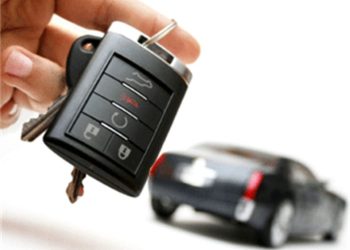
Modern cars increasingly use transponder chips, remote keyless entry and immobiliser systems. Approaches differ in their ability to replicate these functions on-site. Mobile professionals typically carry transponder programming tools and tooling to cut and program many keys at the vehicle. Dealers have direct access to manufacturer programming protocols and replacement parts. The right choice depends on the specific vehicle make and security architecture: some vehicles are straightforward to re-key, others require specialist electronic work or module coding.
To expand: transponder keys contain a small chip that communicates with the vehicle’s immobiliser. If the immobiliser does not recognise the signal, the engine will not start even if the metal key turns in the lock. Keyless or ‘smart’ keys add further complexity because they rely on radio-frequency communication and vehicle software. In many cases mobile technicians can clone or program transponders and reprogramme keyless fobs on-site, but if the vehicle’s body control module (BCM) or engine control unit (ECU) has faults, dealer-level diagnostics may be the faster route to a permanent fix.
Documentation, Accreditation and Practical Preparation
Whichever route you choose, being prepared speeds resolution. Keep vehicle ownership documents or proof of ID accessible, and note the vehicle registration and VIN number where possible — this helps technicians and dealers confirm ownership and order correctly coded keys. A short checklist in your glovebox or on your phone with this information makes any appointment quicker and smoother.
When choosing a supplier check credentials and customer reviews. Many reputable mobile locksmiths hold industry accreditations such as SERMI authorisation or affiliations with motoring organisations; some advertise RAC accreditation and Trading Standards endorsements. Also ask about warranties: several providers offer parts and labour guarantees that give cover after the job is done.
Options for Businesses and Fleet Operators
For commercial motorists and fleet managers the calculus includes downtime and operational continuity. Mobile on-site key replacement reduces vehicle out-of-service time and avoids the logistical disruption of vehicle recovery. Service providers that can attend across a wide area and support vans, delivery vehicles and multiple makes are often the most practical partners for businesses that need reliable, repeatable solutions.
Fleet arrangements sometimes include pre-agreed rates, regular maintenance visits to equip vehicles with spare keys, or rapid-response contracts. Where a vehicle’s use is critical, consider establishing a preferred supplier relationship so technicians know the fleet’s models and configurations in advance and carry the right equipment to the scene.
How to Choose Based on Where You Are
Geography plays a part. In urban areas such as London the density of technicians and recovery services offers a range of fast options; in more rural parts of Surrey or Sussex response times can vary and a service with a broad coverage area may be advantageous. Consider a provider whose operating area matches where you and your vehicle spend most of your time to reduce wait and travel times.
Questions to Ask Before You Authorise Work
Before you sign off on any service, ask a few practical questions: What is the estimated arrival time? Is there a fixed price or an upfront quote? Will the technician need to tow the vehicle or can the work be completed on-site? Do they require proof of ownership? Is there a parts and labour warranty? Which payment methods are accepted? Clear answers to these items avoid surprises and help you compare options objectively.
Preparing to Avoid Future Disruption
Once a solution is in hand, take small steps to prevent repeats. Arrange a professionally cut spare key and store it in a safe location, ensure key batteries are replaced when needed, and note where you keep documentation required for replacement. For vehicles with advanced security systems, ask about spare fob programming so you have a pre-prepared fallback without emergency attendance.
Finally, consider whether roadside or home membership with a motoring organisation is worth the cost for peace of mind; some policies include key-replacement benefits or reduced fees for recovery that can change the most economical choice when an incident occurs.
Choosing between a quick tow, a dealer visit or an on-site specialist depends on the balance you place on speed, cost and technical needs. Comparing the approaches outlined here will help you make an informed choice when the time comes, and a little preparation today will reduce the inconvenience of tomorrow.
Get in Touch:
247 Auto Locksmith Services LTD
United Kingdom
07921 365247
247autolocksmith.co.uk