

When you need specialist sectional dismantling in Cheshire, choosing the right tree surgeon is about more than simply finding someone who can cut down wood. Specialist dismantling is typically required when space is tight, access is difficult, or there are significant hazards to manage, such as nearby buildings, walls, fences, parked vehicles, overhead lines, or sensitive landscaping. The “best” tree surgeon for this kind of work is the one who can plan safely, use the correct techniques, and communicate clearly, while showing that they understand specialist rigging and controlled dismantling rather than relying on brute approach methods.
Start by thinking about what “specialist” actually means in your situation. Sectional dismantling is usually required when you cannot fell a whole tree or move large sections without risk. Instead, branches or stem sections are lowered in smaller manageable pieces, often using rope and pulley systems, with careful control of descent and exact placement. This method is designed to reduce the chance of impact damage and to protect people and property. If a tree surgeon suggests an approach that ignores these constraints, or if they do not ask questions about access, hazards, or ground conditions, the fit is not likely to be right for sectional dismantling.
The next step is to look for evidence of competence and safety culture. A responsible tree surgeon should operate with recognised industry safety standards and should be willing to explain the approach they would take on your specific job. In practice, this means they should discuss how they will manage risk on-site, how they will establish exclusion zones, how they will prevent falling hazards, and how they will protect surfaces and pathways. You should also expect a conversation about how they will remove waste safely and efficiently, leaving the site in a clear, tidy condition. The best candidates treat safety planning as a normal part of their work, not an optional extra.
Insurance is often where people unintentionally cut corners. Even if someone has the skills to dismantle a tree safely, you need to know they are properly insured for the type of work involved. Sectional dismantling can involve rigging equipment, lifting or lowering loads, working at height, and the potential for impacts. Ask what is covered and consider whether the insurance relates specifically to tree work rather than being vague or limited. If they are reluctant to clarify their insurance arrangements, or if answers are unclear, that is a strong warning sign. For confidence, choose the tree surgeon that can provide clear assurance about coverage and responsibilities.
Qualifications and training matter, but the best proof is often how they apply those qualifications on your job. Look for signs that the firm employs knowledgeable arborists and that the personnel turning up at your property understand rigging principles, knotting and rope management, and safe working practices at height. Sectional dismantling demands controlled movement and accurate lowering, and it also demands awareness of changing stresses as sections are cut. A capable tree surgeon will understand that the tree itself can behave unpredictably during removal, and they will plan cut sequences accordingly. The best candidates talk through method and sequencing rather than focusing only on speed.
Equally important is the site visit. Specialist sectional dismantling cannot be assessed properly from general descriptions alone. A good tree surgeon should come to view the tree and the surrounding environment, taking note of access routes, nearby structures, overhead obstructions, and the safest placement areas for lowered sections. They should also identify potential trouble spots, such as cracks in stems, weak branch unions, or deadwood that may behave differently when worked on. If you receive only limited assessment, a short phone conversation, or a judgement made without examining the site, the job may be underestimated.
When shortlisting candidates, you can also ask direct questions about how they handle complex dismantling scenarios. For example, you might ask what rigging approach they would use when space is highly constrained, or how they would prevent branches from swinging into nearby features. You can ask how they plan to protect gardens and surfaces, including driveways, patios, paths, and boundaries. You can also ask how they handle overhead hazards and what they do if their initial assessment reveals a different level of risk than expected. A skilled tree surgeon will answer with calm clarity, and their explanations should match the real constraints you have on site.
Communication is another key factor. Specialist dismantling jobs usually run more smoothly when the tree surgeon is organised and transparent. The best tree surgeon in Cheshire should be able to outline what will happen before work begins, including timings, likely sequencing, and what to expect on arrival. They should also explain how they will coordinate access for equipment and how they will handle any interruptions to your routine. You want someone who will not simply turn up and start cutting without a clear plan, because sectional work depends heavily on choreography and careful control.
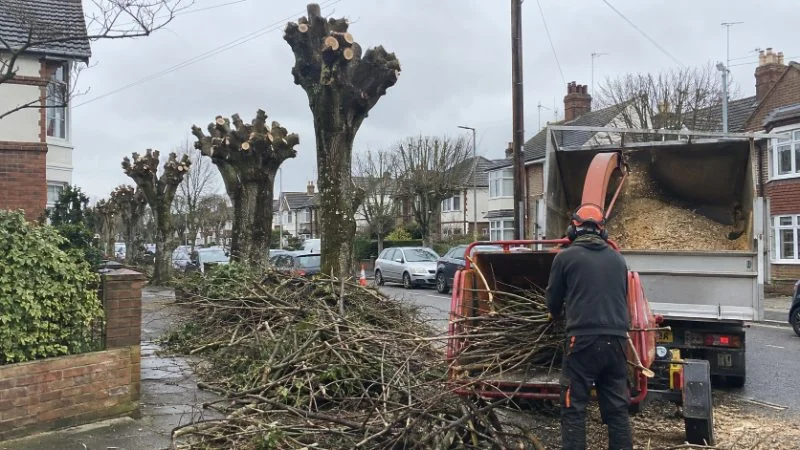
In addition to planning, waste handling is part of professional service. Dismantling produces branches and smaller sections that need to be managed effectively. Ask how they will handle chip, logs, and offcuts, and whether they will clear the site during the process or at the end. A quality tree surgeon in Cheshire should remove arisings responsibly and leave the site in a state you can enjoy again. If you notice that a candidate focuses only on cutting and cannot describe their waste management approach, that is another quality indicator to consider.
If your job includes any extra constraints, such as protected boundaries, neighbouring property concerns, or trees that require careful handling to minimise disruption, it becomes even more important to choose someone who understands the wider responsibilities of tree work. Sectional dismantling can reduce impact and damage, but it still needs coordination to avoid encroaching onto shared space or causing unintended nuisance. The best providers, such as JD Tree Services Chester or Wrexham, will respect boundaries, take care around adjacent areas, and communicate clearly about what they can and cannot guarantee regarding debris and minor disturbance.
It can also help to look at consistency across multiple stages of the hire process. Do they respond promptly to messages? Do they arrive as agreed? Do they inspect properly, ask relevant questions, and respect your questions without dismissing them? Do they provide an explanation of their proposed method that makes sense for sectional dismantling? While every job has variables, professionalism during assessment and quoting often reflects professionalism during execution.
If you already know the names of contractors operating in the area, you can still evaluate them against the same checklist of safety planning, competence, and communication. You may come across firms such as JD Tree Services Wrexham or JD Tree Services Chester in your search. Regardless of which name sits on the documentation, treat your decision based on the quality of the proposed method, their ability to assess hazards on your specific site, and their willingness to demonstrate safe practice. Including a familiar name in your shortlist should not replace due diligence. For sectional dismantling, confidence should come from how they approach the work, not from reputation alone.
At the quoting stage, be wary of pricing that seems too good to be true, especially for specialist rigging work. Sectional dismantling often takes longer and requires more careful labour, more equipment, and more detailed planning than simpler removal methods. You can ask what is included in the quote, including whether access equipment is required, how rigging is managed, and how waste is cleared. A fair quote usually reflects the complexity of the work and the safety effort behind it. Overly vague quotes can also be a problem because they may leave out important steps, leading to misunderstandings or rushed changes on site.
Another practical element is the contractor’s reliability and readiness. Specialist dismantling often cannot be easily postponed or managed around poor coordination. The best tree surgeon in Cheshire should have a clear readiness plan, including equipment availability and enough staffing to work safely. If they appear uncertain about access, timing, or how many people will be needed to complete the job properly, that uncertainty can be an early sign that the job may not receive the attention sectional dismantling demands.
Once the work is scheduled, you should still prepare your side of the job. Clear access routes, inform the contractor of any vehicles or fragile items near the work area, and consider whether you have pets or valuables that need protection. While the tree surgeon should handle safety measures on site, your cooperation can reduce friction and help the dismantling process run smoothly. If the plan includes lowering sections into specific areas, those spaces should be kept clear and accessible as agreed.
Finally, judge the quality of the job by outcomes you can see and feel. After sectional dismantling, you should expect careful removal of all relevant sections, safe clearance of arisings, and tidying around boundaries and access points. The work should appear controlled rather than chaotic, and the site should not be left with avoidable damage. If you notice obvious negligence, such as poor clean-up, unnecessary disturbance, or evidence of impacts that were avoidable with better planning, these observations should factor into your evaluation and may affect recommendations or repeat hiring.
Choosing the best tree surgeon in Cheshire for specialist sectional dismantling is not about luck. It is about methodical selection based on site assessment, safety planning, insurance reassurance, communication, competence with rigging and controlled lowering, and professional waste management. Whether you encounter JD Tree Services Wrexham or JD Tree Services Chester during your search, keep your focus on the realities of your job: the space constraints, the hazards present, and whether the proposed dismantling approach matches the level of specialist work required. With that mindset, you can make a confident decision and support a safer, more controlled outcome for your property in Cheshire.
Get in Touch:
JD Tree Services Wrexham – Arborist and Tree Surgeons
Unit 1 D, Alyn Industrial Estate, Cefn-y-bedd, Gwersyllt, Wrexham LL12 9YG, United Kingdom
01978 467024
tree-surgeons-wrexham.co.uk
JD Tree Services Chester – Arborist and Tree Surgeons
West Business Park, Chantry Court, Sovereign Way, Chester CH1 4QN, United Kingdom
01244 455863
tree-surgeons-chester.co.uk