


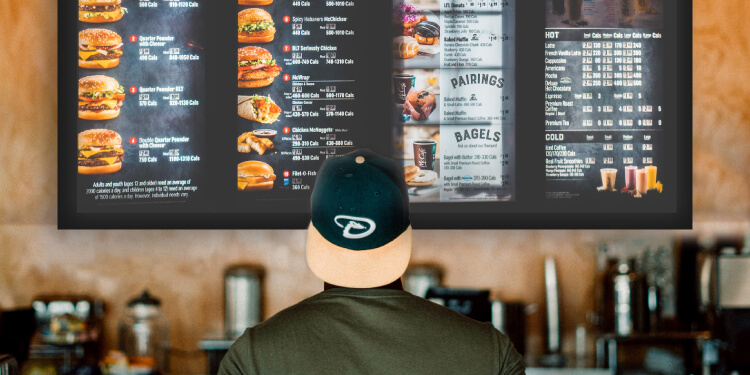
Adapting to the ever-shifting tastes and demands of consumers is a constant challenge in today’s fast-paced, tech-driven food service sector. Digital menu screens have become widely used in many food service establishments, which is a major innovation in this field. Customers get a better dining experience and food service operators reap several benefits from digital menu screens, which are interactive, dynamic, and modern ways to display menu items, pricing, promotions, and specials. Learn about the benefits, main features, and functions of digital menu screens in food service environments, and how they may enhance the eating experience as a whole in this article.
Aesthetic Improvement and Participation
Customers are captivated and drawn to peruse the menu items on digital menu screens because of the eye-catching presentation they provide. Digital menu screens may present menu items in an aesthetically attractive and engaging way with dynamic animations, high-resolution photos, and brilliant colours, enticing guests to explore and discover new foods. Customers will have a better time and remember the restaurant more fondly if it has attractive decor like this, which also sets it apart from similar businesses.
Another great thing about digital menu boards is that they provide food service operators a lot of leeway to personalise the material to their liking. Digital menu screens are easy to update and modify, so you can always show consumers the most up-to-date choices, whether that’s seasonal specials, limited-time discounts, or featured menu items. This adaptability helps food service businesses respond swiftly to shifting consumer tastes and market circumstances, which in turn boosts sales and satisfaction.
Enhancing the Precision and Effectiveness of Operations
By improving communication between staff and consumers and simplifying the ordering process, digital menu displays may greatly increase operational efficiency and precision. Touchscreens, self-service kiosks, and mobile ordering capabilities are just a few of the interactive features that digital menu screens offer. These allow customers to quickly peruse the menu, place their orders, and pay, all without the hassle of paper menus or manual order-taking processes.
In order to make sure that consumers get the right orders and that there are no misunderstandings, digital menu screens can provide real-time menu changes, item availability, and customisation possibilities. Customers are more likely to be satisfied and loyal to businesses that use digital menu displays because they provide accurate and comprehensive information on menu items, ingredients, allergies, and dietary restrictions.
Maximising profits for restaurants and other food service businesses
The use of digital menu screens has the potential to increase sales and profits for restaurants while simultaneously improving the customer service they provide. Customers’ attention, appetites, and curiosity can be piqued and piqued even more by digital menu displays that present menu items in an interesting and aesthetically pleasing way. The use of this persuasive method of marketing can enhance the establishment’s sales and income by stimulating impulse buys, raising typical bill sizes and so on.
Upselling, cross-selling, and pushing high-margin products or special promotions to consumers may be done more easily using digital menu screens. Profitability and revenue streams for food service operators can be enhanced with digital menu screens that feature dynamic pricing displays, limited-time offers, and personalised recommendations based on customer preferences or previous orders. These screens effectively promote premium menu items, combo deals, and upsell options.
Raising the Bar for Customer Interaction
The usage of digital menu screens in food service establishments may greatly improve customer engagement and satisfaction by giving patrons a more tailored, dynamic, and intuitive way to peruse the menu, make orders, and communicate with the business. Customers may learn more about the food preparation process, peruse the menu items, and make educated judgements with the use of digital menu screens that include multimedia material, interactive features, and user-customizable layouts.
Digital menu displays also include information about allergens, nutritional value, and personalisation possibilities, allowing them to accommodate a broad variety of dietary needs and tastes. Thanks to this degree of openness and personalisation, customers are able to make educated decisions, choose menu items that suit their tastes and dietary limitations, and have a more customised and satisfying eating experience. Customers are more likely to be satisfied, loyal, and engaged when they use digital menu displays, which offer an easy way to peruse the menu, make orders, and leave comments.
Increasing Productivity and Optimising Processes
By automating order processing, decreasing manual duties, and improving communication between front-of-house and back-of-house workers, digital menu screens may simplify operational workflows, reduce wait times, and increase efficiency for food service operators. A streamlined process from placing an order to receiving the food may be achieved with the use of digital menu displays that are linked with point-of-sale systems, kitchen display screens, and order management software. This allows for real-time tracking, preparation, and fulfilment of orders.
The data insights, analytics, and performance indicators provided by digital menu displays may also aid food service operators in optimising menu engineering, pricing strategies, and inventory management. Operators may maximise profits by making data-driven decisions, optimising the menu based on client behaviour, order patterns, sales trends, and popular products on digital menu displays. Improved operational efficiency, less food waste, and more income can result from this analytical approach to menu management for food service enterprises.
In summary
To sum up, a digital menu screen has many varied and beneficial uses in the food service industry, which are good for business, diners, and the environment. Digital menu displays can produce an engaging and dynamic platform for displaying menu items, promotions, and specials by increasing visual appeal, user interaction, and personalisation choices. This aesthetic appeal has the potential to draw in consumers, encourage them to make impulsive purchases, and ultimately boost the business’s bottom line. The ordering procedure is also made easier and more streamlined with the use of digital menu screens, which increase operational efficiency, accuracy, and communication between customers and staff.
By offering individualised, interactive, and user-friendly interfaces for consumers to peruse the menu, make orders, and submit comments, digital menu displays significantly contribute to improving the total customer experience, engagement, and happiness. Customers are able to make better decisions, personalise their orders according to their tastes, and have a more pleasant and unforgettable dining experience with the use of digital menu screens that provide transparency, personalisation possibilities, and real-time information on menu items.
In current times, businesses who want to keep up with the fast-paced food sector are using digital menu displays as a way to stand out and gain an edge over their competitors. Operators in the food service industry may unleash huge potential for development, profitability, and customer loyalty by embracing digital technologies, improving the customer experience, and optimising operations using data insights. The use of digital menu screens has grown in importance in today’s tech-savvy society as a means for food service operators to reach a wider audience, increase sales, and provide memorable dining experiences.