

Because of its longevity and aesthetic adaptability, metal cladding has grown ubiquitous in contemporary architecture. The inexorable forces of nature and time, however, eventually wear down even the strongest materials. Metal cladding can deteriorate in appearance and even weaken a building’s framework due to corrosion, discolouration, damage, and everyday use. At this point, the many benefits of metal cladding restoration become crystal evident. With several advantages in terms of building maintenance and lifetime, refurbishing existing metal cladding is an appealing option to full replacement.
The low price tag is one of the main selling points of metal cladding restoration. Putting in new metal cladding is a huge job that requires a lot of manpower, specialised equipment, and a lot of scaffolding. These fees can add up quickly and put a serious dent in a building owner’s budget. Refurbishing metal cladding, on the other hand, usually requires less invasive procedures. Refurbishment, as opposed to full replacement, typically focusses on targeted repairs and restoration, albeit the amount of work required will be determined by the state of the existing cladding. As a result, the overall expenditure is reduced. For older structures, where the expense of complete replacement could be prohibitive, this financial advantage is particularly essential.
Metal cladding renovation has a major impact on sustainability, in addition to the monetary advantages. Reusing and recycling materials is an integral part of the process, which further decreases waste. The goal of refurbishing is to increase the useful life of metal panels by fixing and restoring them rather than throwing them away. This is in complete harmony with the present-day sustainability efforts and environmental awareness, as it lessens the ecological footprint of building and tearing down structures. You can lessen your impact on the environment by opting for metal cladding restoration instead of producing and shipping new materials. Building owners who are serious about doing their part for the environment are finding this eco-friendly strategy more and more appealing.
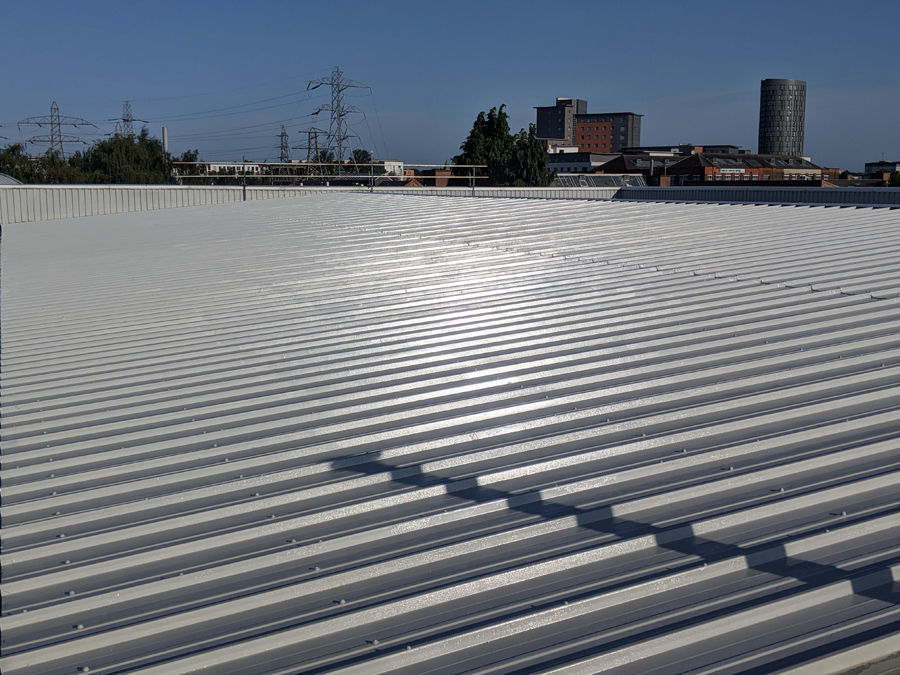
Refurbishing metal cladding is a surefire way to improve its visual appeal. Discolouration, rust, and other flaws can dull the shine of metal cladding over time. Refurbishing metal cladding fixes these problems, making the cladding look like new again and improving the building’s aesthetics. Cleaning, repainting, fixing broken panels, and replacing parts as needed are all part of the procedure. This improves the building’s curb appeal, which could lead to a rise in its worth on the market. Refurbishing a building’s metal cladding, if done properly, can dramatically change its appearance, making it seem more contemporary and sophisticated.
Restoration of metal cladding also strengthens the building’s framework. If the cladding on a building is damaged or deteriorating, it can no longer adequately protect the structure from the elements. This can cause other problems, such as water seepage, which could compromise the building’s structural integrity and necessitate expensive repairs. By fixing these structural issues, metal cladding refurbishment restores the cladding’s protective role and stops more damage. The refurbishing procedure guarantees the building’s structural integrity by fixing or replacing broken panels. This protects the building from the elements and preserves its lifespan. Dealing with the aftermath of ignored harm is usually more expensive than using this proactive strategy.
Reducing interruption to building operations is another major benefit of metal cladding renewal. When compared to full replacement, which can severely impact building access and operations, metal cladding restoration usually causes very little downtime. When it comes to commercial buildings, this is especially helpful because operational continuity is key. You can lessen the blow to company operations by repairing and restoring things in stages or during off-peak hours. Because of this, the process runs more smoothly, there is less chance of lost production, and downtime is minimised. Building owners prioritise minimising disruption to their day-to-day activities due to the lessened disruption.
Metal cladding renovation also has the significant benefit of being a time-efficient process. Refurbishment often takes less time than replacement, though the actual duration varies with the project’s size. Thanks to the shortened timeline, the project will be finished faster, allowing the building to return to full operational capacity sooner. Commercial and residential structures alike can reap the benefits of this, as it shortens the time of annoyance and speeds up the building’s return to its original purpose. If the owner needs the job completed quickly, they will appreciate the shorter project duration.
Refurbishing metal cladding is a very versatile process. Stainless steel and aluminium are only two of the many metal cladding kinds that can be accommodated by this procedure. For the most effective and efficient restoration, the procedures used can be customised to match the material and the level of damage. This flexibility guarantees that the renovation strategy is always tailored to the specific needs of the project, resulting in the best possible outcome. If the restored cladding is to succeed and last for years to come, its adaptability is essential.
Improvements and upgrades are also possible through metal cladding restoration. You can change the design, add insulation, or use new materials during the renovation process. In addition to boosting the building’s performance and energy efficiency, this can also make it look better. Building owners can take advantage of this upgrade opportunity to enhance the building’s sustainability, functionality, and address maintenance issues all at once. This two-pronged strategy optimises ROI by combining short-term fixes with longer-term enhancements.
In conclusion, there are several benefits to metal cladding restoration rather than replacement. Refurbishing metal cladding is a great alternative for building owners since it saves money, is more sustainable, looks better, is stronger, doesn’t disrupt the building much, takes less time, is versatile, adaptable, and offers options for updates. Building owners can improve the property’s performance and worth while also extending the life of the current cladding by opting for this method to revitalise the building’s facade. Investing in a building’s long-term health and aesthetic appeal through metal cladding renovation goes beyond a routine maintenance work.