

The desire for a youthful, refreshed appearance is a timeless human aspiration. In an increasingly fast-paced world, where looking and feeling our best plays a significant role in personal and professional confidence, the aesthetic landscape has evolved dramatically. Gone are the days when invasive surgery was the only definitive answer to the visible signs of ageing. Today, a sophisticated array of non-surgical options provides a compelling alternative, offering subtle yet impactful transformations with minimal downtime. London, a global epicentre of innovation and excellence in healthcare, has emerged as a leading hub for these advanced aesthetic treatments. The demand for non-surgical facial rejuvenation London has seen an unprecedented surge, reflecting a broader societal shift towards less invasive, more natural-looking enhancements that fit seamlessly into busy lifestyles. This comprehensive exploration delves into the diverse world of non-surgical facial rejuvenation, examining the cutting-edge techniques available and the crucial considerations for anyone seeking to revitalise their appearance in the UK capital.
Non-surgical facial rejuvenation encompasses a broad spectrum of procedures designed to restore volume, improve skin texture, reduce wrinkles, and enhance facial contours without the need for incisions or general anaesthesia. Unlike traditional surgical facelifts, which offer dramatic and long-lasting results but come with significant recovery periods and risks, non-surgical methods focus on gradual improvement, natural-looking outcomes, and the ability to return to daily activities almost immediately. The philosophy behind these treatments often centres on stimulating the body’s natural regenerative processes, such as collagen and elastin production, or by artfully replenishing lost volume. This approach appeals to a wide demographic, from those seeking preventative measures in their younger years to individuals in their middle and later decades aiming to gracefully address the effects of time and environmental factors. The appeal lies in their relative affordability compared to surgery, reduced risk profiles, and the flexibility to adjust or discontinue treatments as desired, making them an accessible and adaptable choice for modern aesthetic concerns.
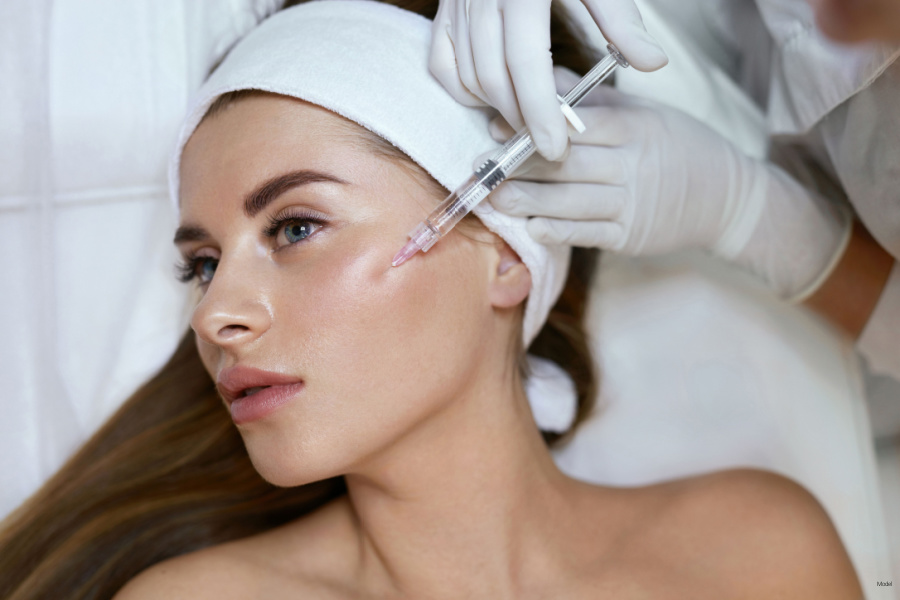
Among the most widely recognised and effective non-surgical treatments are injectables, which form the cornerstone of many rejuvenation plans. Anti-wrinkle injections, commonly known for their use of botulinum toxin, are a prime example. This neurotoxin works by temporarily relaxing specific facial muscles responsible for dynamic wrinkles – those lines that appear with expression, such as frown lines between the eyebrows, crow’s feet around the eyes, and horizontal forehead lines. By precisely injecting small amounts into these muscles, the treatment smooths existing wrinkles and can even prevent new ones from forming, leading to a more relaxed and youthful appearance. The effects typically last between three to six months, requiring regular maintenance to preserve the results. When administered by a skilled practitioner, the outcome is a natural softening of expressions, avoiding a ‘frozen’ look, which is paramount for achieving a refreshed yet authentic aesthetic.
Complementing anti-wrinkle injections are dermal fillers, an indispensable tool in non-surgical facial rejuvenation. The most common type of dermal filler is based on hyaluronic acid, a naturally occurring substance in the skin that attracts and holds water, providing volume and hydration. As we age, our natural hyaluronic acid stores deplete, leading to volume loss, sagging, and the formation of static wrinkles – those lines visible even when the face is at rest. Dermal fillers are expertly injected to address these concerns, offering immediate results. They can be used to restore volume to sunken cheeks, smooth out nasolabial folds (lines from the nose to the mouth), marionette lines (lines from the corners of the mouth downwards), and enhance the lips, giving them a fuller, more defined look. Beyond filling lines, fillers are also utilised for contouring the jawline, defining the chin, and subtly improving the appearance of under-eye hollows. The longevity of dermal fillers varies depending on the type of filler used, the area treated, and individual metabolism, typically ranging from six months to over a year. The artistry involved in filler placement is crucial for achieving balanced, harmonious, and natural-looking results that enhance one’s features without appearing overdone. Beyond hyaluronic acid, other injectable options include biostimulatory fillers, which work by encouraging the body to produce its own collagen over time, offering more gradual but potentially longer-lasting improvements in skin quality and firmness.
Beyond injectables, a sophisticated array of energy-based devices and advanced skin treatments forms another vital component of non-surgical facial rejuvenation. Laser therapy, for instance, offers remarkable versatility. Ablative lasers work by vaporising thin layers of skin, stimulating intense collagen remodelling and revealing fresh, smoother skin underneath, effective for deep wrinkles, scars, and significant sun damage, though requiring notable downtime. Non-ablative and fractional lasers, on the other hand, target specific chromophores in the skin (like melanin for pigmentation or haemoglobin for redness) or create microscopic thermal zones to stimulate collagen without damaging the surface, leading to improved texture, tone, and fine lines with less downtime. Radiofrequency (RF) technology is another popular choice for skin tightening. RF devices deliver controlled heat energy to the deeper layers of the skin, causing existing collagen fibres to contract and stimulating the production of new collagen and elastin. This leads to a gradual tightening and lifting effect, improving skin laxity on the face and neck. Treatments are typically comfortable and require no downtime, making them ideal for those seeking subtle but noticeable improvements in firmness and contour.
High-Intensity Focused Ultrasound (HIFU) represents yet another advanced technology for non-surgical lifting. HIFU works by delivering highly focused ultrasound energy to specific depths within the skin and underlying supportive tissues, creating thermal coagulation points that trigger the body’s natural wound-healing response. This process stimulates the production of new collagen and elastin, resulting in a gradual lifting and tightening of the skin over several months. It is particularly effective for addressing mild to moderate skin laxity, redefining the jawline, lifting the brows, and improving the appearance of a ‘turkey neck’ without any significant downtime. Meanwhile, microneedling, often combined with radiofrequency or Platelet-Rich Plasma (PRP), is a highly effective treatment for improving overall skin texture, reducing acne scars, minimising pores, and diminishing fine lines. This technique involves creating thousands of microscopic channels in the skin using tiny needles, which in turn stimulates the body’s natural healing cascade and collagen production. When combined with PRP, derived from the patient’s own blood and rich in growth factors, the rejuvenation process is significantly enhanced, leading to accelerated healing and superior results. Chemical peels, ranging from superficial to deep, are also integral, using various acidic solutions to exfoliate the outer layers of the skin, revealing fresher, brighter, and more even-toned skin underneath. They are excellent for addressing pigmentation issues, acne, sun damage, and fine lines, with downtime varying based on the peel’s strength.
London’s status as a leading city for non-surgical facial rejuvenation is well-deserved. The capital boasts an unparalleled concentration of world-class medical professionals, cutting-edge clinics, and access to the very latest aesthetic technologies. This vibrant ecosystem fosters innovation, attracting leading experts from around the globe and ensuring that Londoners have access to the most advanced and effective treatments available. Furthermore, the UK’s robust regulatory frameworks, though constantly evolving, contribute to a higher standard of safety and care compared to some other regions. Clinics offering non-surgical facial rejuvenation London are often at the forefront of adopting new techniques, ensuring that clients benefit from both established, proven methods and emerging, promising innovations. This concentration of expertise and resources means that individuals seeking aesthetic enhancements in the capital can find a diverse range of options, from discreet boutique clinics to larger, multi-specialty medical aesthetic centres, each offering bespoke treatment plans tailored to individual needs and desired outcomes.
Choosing the right practitioner and clinic for non-surgical facial rejuvenation is paramount to achieving safe and satisfactory results. It is crucial to seek out medical professionals who are highly qualified, extensively experienced, and specifically trained in aesthetic medicine. A thorough initial consultation is non-negotiable; this session should involve a comprehensive assessment of your facial anatomy, skin concerns, and overall health, as well as a detailed discussion of your aesthetic goals and expectations. A reputable practitioner will always provide realistic expectations about the potential outcomes, explain the procedure in detail, discuss any potential risks or side effects, and outline a tailored treatment plan, including estimated costs and maintenance requirements. Furthermore, ensure that the clinic adheres to the highest standards of hygiene and patient safety, using only approved products and devices. A commitment to patient education and open communication is a hallmark of an ethical and effective aesthetic practice.
The numerous benefits of non-surgical approaches are clear: they offer natural-looking results, minimal downtime allowing for a quick return to daily activities, and a significantly reduced risk profile compared to surgery. They provide a gradual, subtle enhancement that avoids the drastic changes often associated with surgical interventions, allowing individuals to maintain their unique facial expressions and characteristics. Moreover, the temporary nature of many treatments offers flexibility, enabling adjustments to be made over time as aesthetic goals evolve or as the face continues to age. However, it is important to acknowledge that these treatments are not a permanent solution and often require ongoing maintenance to sustain results. While highly effective for a range of concerns, they are not a substitute for extensive surgical correction in cases of significant skin laxity or volume loss. Understanding these nuances and holding realistic expectations is key to a positive rejuvenation journey.
In conclusion, the landscape of non-surgical facial rejuvenation in London reflects a sophisticated blend of medical science, artistic precision, and technological advancement. It offers a compelling pathway for individuals seeking to revitalise their appearance, address the signs of ageing, and enhance their natural beauty without the commitment and recovery associated with surgery. From expertly administered injectables to state-of-the-art energy-based devices, the options available provide a tailored approach to aesthetic enhancement. As a global hub for medical aesthetics, London stands at the forefront of this revolution, empowering individuals to embrace a refreshed, confident version of themselves, gracefully navigating the journey of age with subtlety and style.