

Automotive adhesive plays a crucial role in the modern automotive industry, revolutionizing how vehicles are assembled and enhancing their performance and durability. As vehicles have become more complex, the need for effective bonding solutions has surged. Automotive adhesives are specially formulated substances that bond various components within vehicles, including metals, plastics, glass, and composite materials. The use of automotive adhesives allows manufacturers to achieve improved structural integrity, decrease weight, and optimize production processes.
The history of automotive adhesive can be traced back decades, but significant advancements have transformed the formulations and applications and allowed for greater versatility. Traditionally, methods such as welding or mechanical fastening were the primary means of joining parts. However, as designs became more intricate, and materials evolved — with manufacturers increasingly using lightweight composites and high-strength steel to improve fuel efficiency and safety — the limitations of traditional joining methods became evident. This shift catalyzed the development and utilization of automotive adhesives, which offer unique advantages that traditional methods could not provide.
One of the essential benefits of automotive adhesive is its ability to distribute stress more evenly across bonded surfaces. When parts are welded or mechanically fastened, the joining points can become stress risers, leading to potential points of failure over time. Automotive adhesive mitigates this issue by distributing the load across a larger surface area, enhancing the durability and longevity of the components. This is particularly important in high-stress areas of vehicles, such as the frame and body where structural integrity is paramount.
Automotive adhesive also contributes significantly to weight reduction in vehicles. Modern engineering places great emphasis on producing lighter vehicles to improve fuel efficiency and reduce emissions. Adhesives enable the bonding of lightweight materials, such as thermoplastics and composites, without the added weight of traditional fastening methods, such as nuts, bolts, or welds. By allowing for the integration of various materials, automotive adhesive facilitates innovative designs that optimize weight without compromising safety. This integration results in vehicles that are not only lighter but also more energy-efficient, meeting stringent regulatory standards.
The adhesive properties of automotive adhesives vary widely, allowing for versatility in application. Different formulations can provide a range of characteristics, such as flexibility, strength, and resistance to environmental factors. For instance, some automotive adhesives are formulated for high-temperature resistance, making them suitable for use in engine compartments where extreme conditions exist. Other types might excel at bonding dissimilar materials, such as metal to plastic or glass to metal, which is a growing requirement as vehicles incorporate diverse materials to improve functionality and efficiency.
Another significant trend in the automotive industry is the increasing use of electric and hybrid vehicles. These vehicles often require specialized automotive adhesives due to unique design considerations and the incorporation of advanced lightweight materials. Adhesives can facilitate the bonding of battery components, electrical housings, and lightweight body panels, while also providing effective insulation and protection against moisture and vibration. As automakers push for innovation and efficiency, the role of automotive adhesive becomes even more critical in ensuring that these new technologies are seamlessly integrated into vehicle designs.
Adhesive technologies have also evolved to include advancements in curing processes. Various methods such as heat curing, UV curing, and moisture curing have been developed to expedite the bonding process and enhance the performance of automotive adhesives. For instance, heat-cured adhesives can create exceptionally strong bonds in a fraction of the time compared to traditional curing methods, allowing for faster production cycles and increased efficiency on assembly lines. This rapid curing capability helps manufacturers meet production demands while maintaining high-quality standards.
In addition to performance advantages, automotive adhesive contributes to improved manufacturing efficiency. One of the critical benefits of using adhesives is the simplification of assembly processes. Instead of complex fastening techniques that require multiple parts and considerable labor, automotive adhesive can streamline assembly with fewer components and materials. This reduction in assembly time not only decreases labor costs but also minimizes the potential for errors during the manufacturing process. Furthermore, the use of adhesives often results in less mechanical stress on components, reducing the likelihood of damage during assembly and subsequent use.
Environmental considerations are becoming increasingly important in the automotive industry, and automotive adhesives are no exception. Many modern adhesive formulations are designed to meet stringent environmental regulations, featuring low volatile organic compound (VOC) content and improved sustainability. Manufacturers are working to create adhesives that not only perform exceptionally well but also contribute to environmentally friendly practices. Using adhesives can often result in lower energy requirements during the manufacturing process and enhanced recyclability of vehicles at the end of their life cycle.
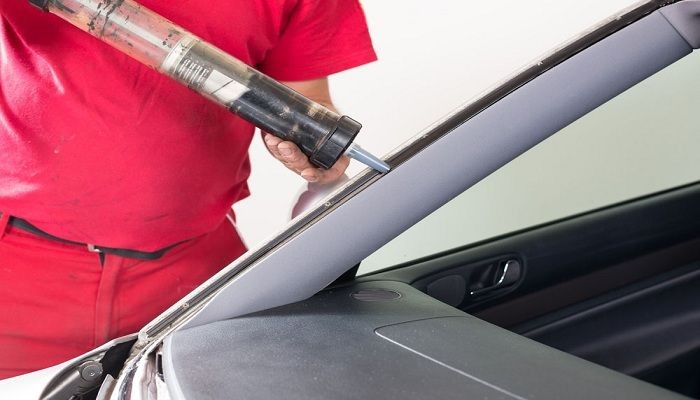
Moreover, the importance of using high-performance automotive adhesives extends into vehicle safety. The bonding of glass in windshields and other structural components is crucial for the overall stability and integrity of a vehicle. Automotive adhesive provides the necessary strength to withstand impacts during collisions while ensuring that safety features such as airbags function properly. The ability to adhere glass with automotive adhesive allows for the creation of larger windows and more aesthetically pleasing designs without compromising safety.
To further enhance their performance, automotive adhesives are often designed to offer additional properties like sound dampening and vibration resistance. This characteristic is vital for ensuring a quiet and comfortable ride for passengers. The application of automotive adhesive can significantly reduce noise levels and vibrations transmitted from the road to the vehicle interior, significantly enhancing the overall driving experience.
As the automotive industry continues to evolve, the future of automotive adhesive looks promising. Innovations in material science and technology are driving the development of even more advanced bonding solutions tailored to meet the sophisticated demands of future vehicles. These advancements promise to deliver not only improved adhesion properties but also enhancements in flexibility, temperature resistance, and environmental sustainability. This evolution is critical as vehicles become increasingly complex, integrating advanced safety systems, autonomous technology, and connectivity features.
Research and development efforts are focused on creating adhesives that can respond to various conditions, effectively bonding under diverse temperature ranges and environmental situations. This adaptability will be crucial as manufacturers look to produce vehicles capable of withstanding extreme conditions without compromising performance or safety. The automotive adhesive market is also seeing a surge in the demand for smart adhesives that can provide feedback or change properties based on external stimuli, such as temperature or pressure. This represents a fascinating intersection of material science and automotive engineering.
Moreover, the shift towards electric vehicles is likely to push the boundaries of automotive adhesive applications. The need for lightweight components, efficient energy storage solutions, and improved aerodynamics plays directly into the strengths of high-performance adhesives. By enabling innovations in design and function, automotive adhesives will become a cornerstone of future vehicle development, helping to foster the next generation of sustainable, efficient, and safe automotive mobility.
In conclusion, automotive adhesive is essential to modern vehicle manufacturing and assembly. It provides a combination of strength, flexibility, and adaptability that traditional joining methods cannot match. Through its contributions to structural integrity, weight reduction, manufacturing efficiency, and vehicle safety, automotive adhesive has established itself as a critical tool in the automotive industry’s ongoing quest for innovation. As technology continues to advance alongside consumer demands for sustainability and performance, the role of automotive adhesive will undoubtedly expand, paving the way for exciting developments in vehicle design and functionality. The automotive adhesive landscape will continue to evolve, shaping the vehicles of tomorrow while addressing the complex challenges of the automotive industry today.