


Bereavement is a very trying and painful time, and when it happens far away from home, the difficulties of getting the departed back home may make it much more tough. Making sure their loved ones are buried in their own country is a significant cultural or religious ritual for many African American families who live overseas. The practice of returning a deceased person’s remains to their place of origin for burial is known as “body repatriation to Africa.” Although a great deal of logistical planning and organisation goes into this procedure, families may be reassured that their loved ones will rest in peace in a location that has great personal meaning for them.
The choice to move forward with body repatriation to Africa is frequently motivated by personal, cultural, or religious considerations. Because they feel that the deceased should be buried where their ancestors are buried, many African societies place a high value on the concept of returning to one’s ancestral land for burial. Comparably, religious convictions—especially those of Christian and Muslim communities—may emphasise how important it is that funeral rites be carried out in line with customs or close to family graves. Because of this, families frequently try to carry out the last desires of their departed loved ones by repatriating them.
The Procedures for Repatriating Bodies to Africa
Funeral homes, airlines, and other institutions must coordinate the multi-step process of body repatriation to Africa. Familiarity with the legal criteria and processes can aid families in navigating this intricate process more skilfully. First and foremost, obtaining the required legal papers is crucial in order to enable the transfer of the body. These records might contain, among other things, an embalming certificate, a death certificate, and a mortuary release form. To make sure that all the necessary documentation is in place, most of the time local authorities or embassies will be engaged.
The embalming of the body is a vital stage in body repatriation to Africa. The majority of nations, including those in Africa, demand that the body be embalmed before being transported. Embalming minimises any threats to health or sanitation while preserving the body for the lengthy voyage. After the embalming procedure is finished, the body is put in a sealed casket that could also have to adhere to certain international laws. Frequently, the coffin needs to be constructed from certain materials or equipped with extra sealing devices to guard against damage while being transported.
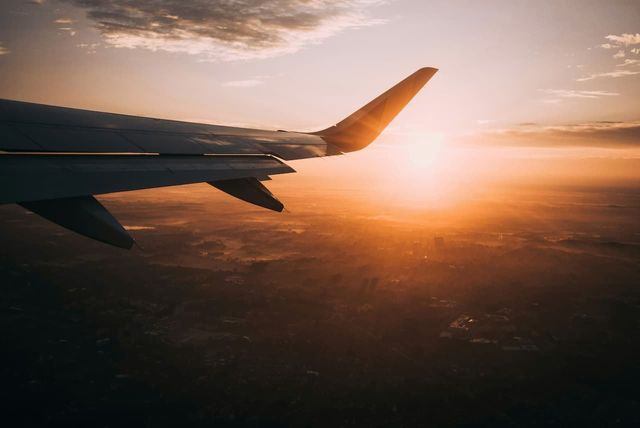
The funeral service or family must make arrangements for plane transportation to the intended location in Africa once the body has been prepared and the required paperwork has been obtained. Working with specialised firms that manage the logistics of international body transfer is frequently necessary when repatriating a body across international boundaries. In order to guarantee the corpse is transported with dignity and effectiveness, these services work with airlines, airports, and customs officers. It’s crucial to remember that the cost of repatriating remains to Africa might vary based on the distance, the unique needs of the sending and receiving countries, and the services required.
Following the body’s arrival in the selected African nation, there can be other legal or administrative procedures to follow. The death certificate, the embalming certificate, and any other essential documents will be inspected by customs and health officials upon arrival. The corpse won’t be released to the receiving funeral service or family members until this procedure is finished. A second funeral or memorial ceremony may occasionally need to be scheduled in the destination nation, particularly if cultural or religious traditions demand particular burial rites.
Cultural and Legal Aspects to Take Into Account
Depending on the destination nation, there are a number of legal issues for repatriating a body to Africa. The importation of human remains is governed by rules specific to each African country, which funeral directors and families need to be aware of. Certain nations can have extra paperwork requirements, and some might require specific permits in order to allow the body to be transported. If these rules are broken, there may be delays or other issues at the receiving airport, which would make an already difficult situation much more stressful.
Cultural sensitivity is also another crucial aspect to take into account while returning bodies to Africa. African cultures are incredibly diverse, and regional variations in funeral rituals are common. Certain burial customs are highly valued in many cultures, and it could be necessary to uphold these customs both before and after the repatriation process. To welcome the departed back home, for example, some communities may demand particular ceremonies to be held, while others may have rites that must be followed before the body is placed in the coffin.
Before the body is repatriated to Africa, families sometimes decide to hold a burial ceremony in the nation where their loved one passed away. This makes it possible for friends and extended relatives who are unable to travel to offer their respects. Many African families, however, feel that it is crucial that the last ceremonies and burial occur in their own country, in front of close family members, and in keeping with ancestor customs. Important rituals may be preserved and the bereaved family can be comforted by ensuring that the legal and cultural factors are honoured.
monetary and logistical difficulties
The process of repatriating bodies to Africa can be expensive because to the various expenses involved, such as embalming, funeral home services, transportation, and paperwork. Due to the necessity for specific planning for managing the remains, securing the coffin, and acquiring the required permissions, flying with a deceased passenger can frequently be far more expensive than flying with a living passenger. Furthermore, expenses may differ significantly based on the particular African nation to which the body is being returned. Procedures in certain nations could be more complicated or stringent, which raises the total cost.
Families can frequently get financial support from insurance plans or local resources. Some people opt to get travel insurance with repatriation coverage, which can assist in defraying the expense of transferring remains in the case of a death while visiting another country. Furthermore, certain groups or religious institutions could provide financial support or aid in fund-raising to guarantee the successful return of the body to Africa. Many families view the repatriation procedure as an essential means of honouring their loved one’s desires and history, despite the associated expenditures.
There may also be logistical difficulties while repatriating. It might be difficult and time-consuming to arrange for the cooperation of several entities, such as funeral homes, airlines, consulates, and customs officers. However, a lot of families believe that working with experts that specialise in corpse repatriation to Africa is beneficial since they can offer invaluable counsel during this trying time and have expertise negotiating the appropriate formalities.
The Emotional Significance of Returning Bodies to Africa
Body repatriation to Africa is a very emotional and significant procedure for many families, in addition to being a practical undertaking. It is customary to see returning the departed to their native land as a last gesture of love and respect, enabling them to rest in peace with their ancestors. Grieving families may find comfort in this act of repatriation, particularly if they are aware that their loved one will be buried in a location with special spiritual and cultural meaning.
Repatriation also demonstrates a strong bond with one’s origins and culture. Returning to Africa for a funeral might represent a complete circle experience for those who have lived most of their lives elsewhere, since it brings them back to their ancestral homeland. It pays tribute to the notion that even when a person resides in a new country, their identity and roots never truly leave their original country.
The act of body repatriation to Africa has significance not just for cultural and religious reasons but also for providing families with a chance to deepen family ties, engage in shared grieving rituals, and establish a connection with extended relatives. African funerals are frequently social gatherings that invite extended families and the larger community. They offer a forum for group grieving, life celebration, and the upholding of customs.
In summary
The process of repatriating bodies to Africa is intricate and involves many legal, financial, logistical, and psychological factors. For many families, returning a loved one to their native nation for burial has great cultural and spiritual significance, notwithstanding possible difficulties. Families may guarantee that their loved ones get a respectful and meaningful last trip, allowing them to rest in peace in the country of their ancestors, by navigating the appropriate processes and honouring the customs of their ancestry.